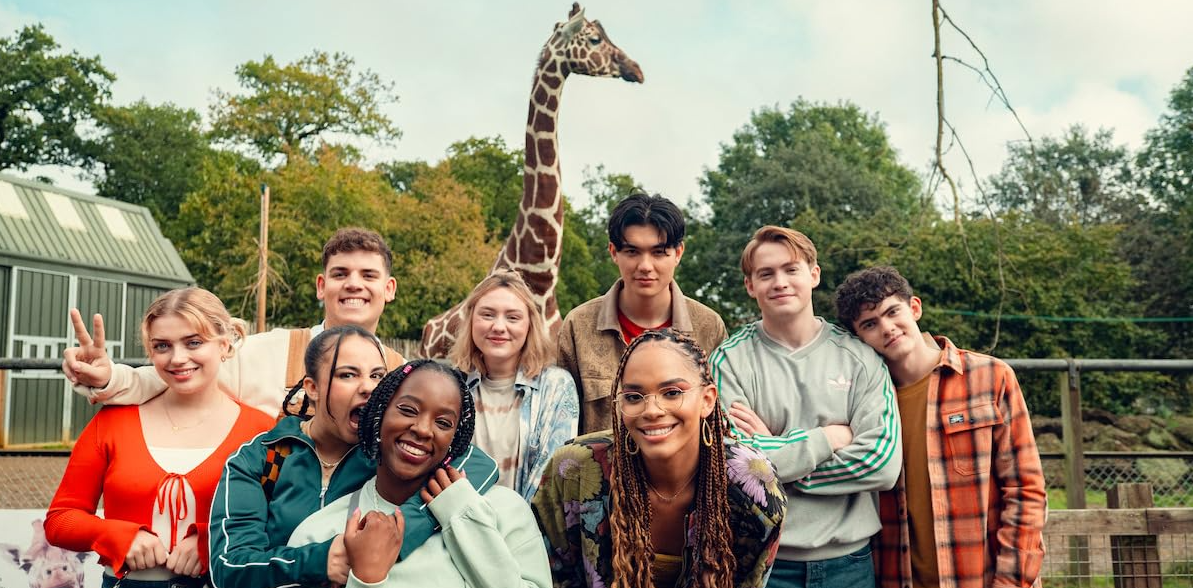
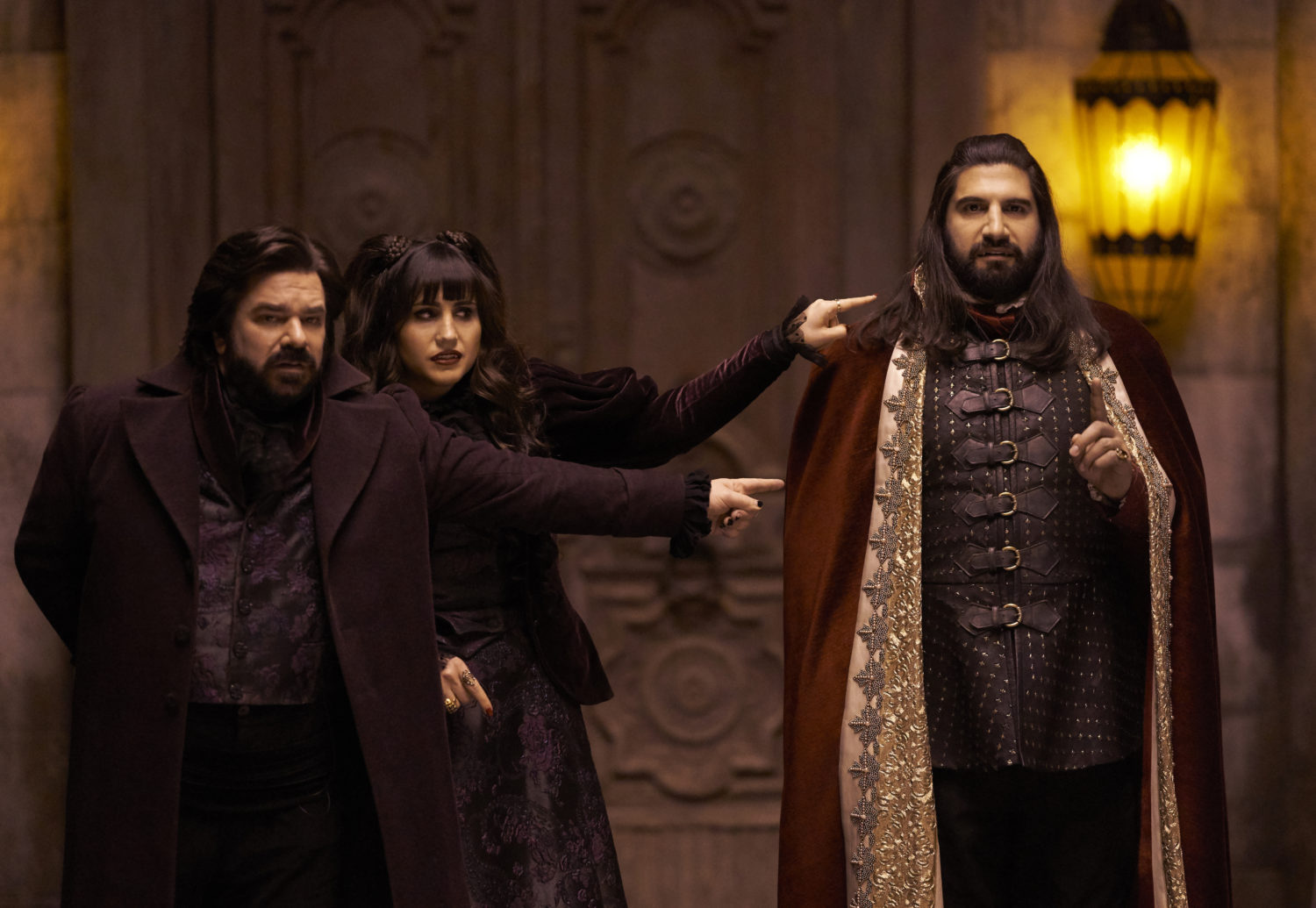
Bi representation in pop culture has never been stronger. And once you start noticing it, it’s everywhere you look. At Bi.org, we can’t keep up with every new bi project or every celebrity who comes out — there are simply too many. Whether it’s documentaries like Planet Sex (2022), miniseries like Baby Reindeer (2024), reality TV like Grande Fratello 2025, shows like Heartstopper (2022–2024), Bridgerton (2020–), The Summer I Turned Pretty (2022–2025), Ted Lasso (2020–), What We Do in the Shadows (2019–2024), Dead Boy Detectives (2024), or XO, Kitty (2023–); films like Maestro (2023), Love Lies Bleeding (2024), Red, White & Royal Blue (2023), Challengers (2024), or Poor Things (2023), or video games like Dragon Age: The Veilguard (2024), pop culture is looking more and more like Invasion of the Bi-dy Snatchers.
But how representative is all this representation, really? Is this all just another case of the entertainment industry joining what South Park mockingly dubbed the “Panderverse”? From a certain point of view, it might seem so — but not if you’re familiar with the data. And as a new groundbreaking study shows, bisexuality is vastly more common than people think.
As we’ve covered before, the percentage of people coming out as bi has been growing every year over the past decade and a half. According to a 2025 Gallup poll, 5.2% of Americans identify as bi. Back in 2011, UCLA’s Williams Institute had that figure at 1.8%. Over the years, the share of openly bi people has grown across every walk of life and every age group, not just young people. As impressive as it is to see the percentage of openly bi people triple, there has long been reason to suspect that what we’re seeing is only the tip of the iceberg. Why? Well, a few reasons.
Polls and surveys that track sexual orientation tend to only measure self-identification. If respondents don’t identify as bi (or with another label under bi umbrella like pansexual), or answer “yes” when asked if they are bi, they are not counted as bi. But bi identity can sometimes be different from bisexuality, the sexual orientation. Bisexuality is when someone has both heterosexual and homosexual attractions. Regardless of someone’s current relationship status, sexual experience, whether they’re more attracted to one sex than the other, if someone is attracted to both sexes, they fit the scientific definition of bisexuality. But not everyone who fits that definition chooses to identify that way. And so most of the data we have on sexuality erases a lot of bi people who, for one reason or another, opt out of the bi label. Until now.
A 2025 study conducted by Clearer Thinking took what may be the most comprehensive and holistic look into bisexuality in the modern history of sex research. Broken down by generation, researchers measured bisexuality by eight different measurements, including not only self-identification but also level of same-sex attraction, same-sex behavior, desire for same-sex behavior, and attraction to same-sex body parts, among others. And what they found is incredible.
Just in terms of identification, 3% of Baby Boomers, 8% of Gen X, 17% of Millennials, and 23% of Gen Z said they were bi. When asked if they’d ever had a same-sex encounter, the figure rose. Excluding people who identified as gay/lesbian, 10% of Baby Boomers, 24% of Gen X, 36% of Millennials, and 26% of Gen Z all said they’d had sex with someone of the same sex before! And it doesn’t stop there. The percentage of people who said they were “sometimes same-sex attracted” went through the roof: 26% for Baby Boomers, 39% for Gen X, 52% for Millennials, and 59% for Gen Z.
That’s right, over a quarter of Baby Boomers meet the definition of bisexuality, along with a majority of people under 45.
The study authors provocatively suggest that we may, in fact, be seeing an increase not only in acceptance and tolerance, leading to more people coming out of the closet, but a genuine rise in bi attractions themselves. An interesting hypothesis, but I disagree.
Unless we are to suppose that human evolution has suddenly sped up to real-time Pokémon levels, or we go full Alex Jones conspiracy theorist about “chemicals” turning everyone gay (needless to say, there’s no evidence of that), we need a better explanation. In my experience as someone who has closely covered bi science issues for years, it seems to me there is a simpler reason.
For the longest time, being anything but straight was regarded as stigmatized, sinful, and criminal. If you were “mostly straight” — in other words, bi but with stronger heterosexual than homosexual attractions — you would have been far likelier not only to never explore your sexuality, but to write off any same-sex attractions as some kind of passing fluke. These people wouldn’t have been in the closet, or even in denial — they’d have been basically unaware of their attractions and convinced that they were, in fact, straight. With increased awareness, acceptance, and tolerance, we’re not just seeing bi people coming out of the closet, I believe we’re seeing the gap between bi identity and bisexual orientation gradually close. We’re seeing people who, at other times and places, would have seen themselves as straight coming to realize en masse that “mostly straight” means “actually bi.” And it’s reshaping not only our view of sexuality but also trends in pop culture.
So when we see that bi representation is on the rise, it’s not just a matter of Hollywood or streaming platforms trying to virtue signal, though there’s some of that. More than anything, these industries are a reflection of their audience. The more people come out as bi, and acknowledge their bi attractions, the more of a market there is for bi media, which is exactly what we’ve seen. The truth can swing both ways, too.