In its 2025 season, Italy’s Grande Fratello, their version of the American reality television program Big Brother, unexpectedly became a flashpoint for conversations around bisexual representation when Zeudi Di Palma entered the house. A 23-year-old sociology student and Miss Italia from Naples’ working-class Scampia neighborhood, Zeudi is openly bi; a fact that quickly became both her power and her burden. What started as a story of visibility turned into a cautionary tale about media bias, queer erasure, and resilience.
Heads up — SPOILERS ahead! If you’re not familiar with how our rating system works, you can check out the original article or the Bi Media entry on Grande Fratello for more details.
What I Liked:
Zeudi didn’t just represent herself; she carried the hopes of a much wider community. Without focusing on her sexuality in any “strategic” sense, Zeudi lived her truth with dignity. She never used her orientation to play the game but remained transparent about being bi, all while handling rejection, misunderstanding, and microaggressions with emotional maturity.
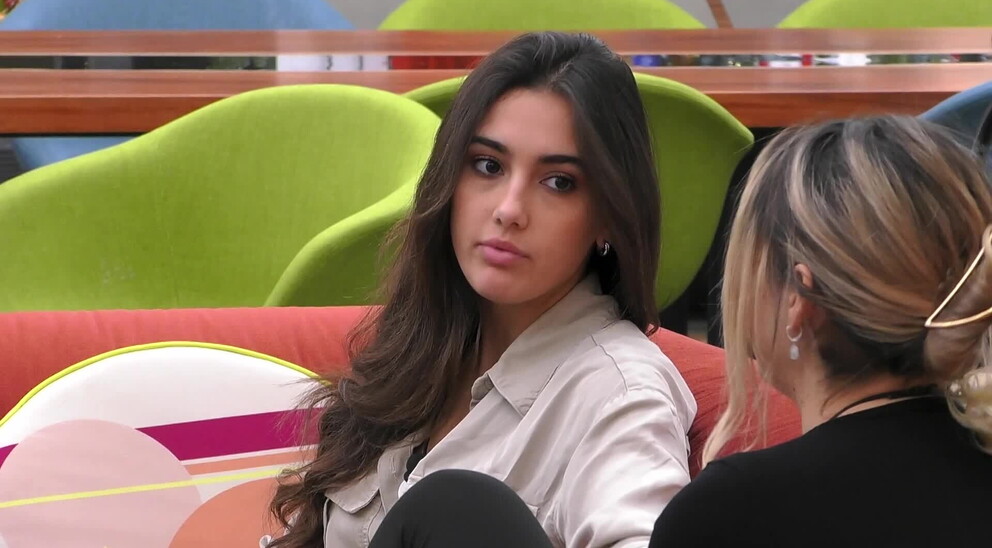
Her relationship with her mother, Maria Rosaria, became another significant thread in the narrative. Maria Rosaria’s public defense of Zeudi — including an emotional visit on the show and the release of Zeudi’s coming-out letter — became a powerful moment in Italian media. Maria Rosaria became a voice for countless parents of LGBT youth, advocating for acceptance, love, and courage in the face of a nation still grappling with prejudice.
Zeudi’s reach extended beyond Italy. Supporters from over 130 countries, many in regions where being openly queer is dangerous, sent her messages of solidarity. She became a symbol of quiet resistance, showing how representation isn’t always about big speeches, but about surviving with grace in the face of hostility.
Even as contestants turned on her and the show’s atmosphere grew increasingly homophobic and biphobic, Zeudi’s supporters lifted her. Against all odds and despite the biased narrative pushed by the show, she was voted in as an unexpected finalist, and soon after, became one of the most prominent candidates to win the competition.
What I Didn’t Like:
Sadly, Grande Fratello missed the opportunity for wholesome bi representation. The producers allowed damaging stereotypes about bisexuality to circulate unchecked, including accusations that Zeudi was “using” her sexuality for sympathy or in-game advantages.
Production choices often framed Zeudi as isolated, emotional, or “fragile” while protecting antagonistic contestants who contributed to the smear campaign against her. The narrative relied heavily on bi-erasure tropes, painting her as “confused” or insincere. Other housemates, likely influenced by this atmosphere, gradually distanced themselves from her, leaving Zeudi isolated within the house.
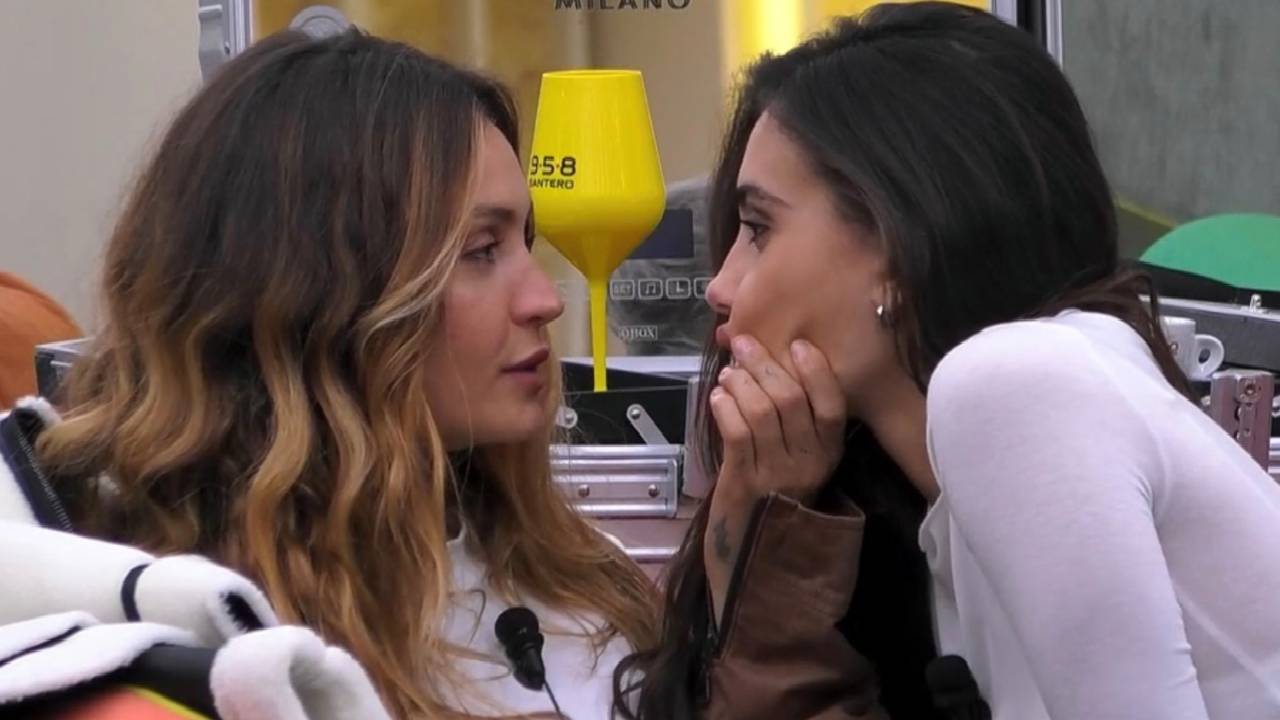
What’s most disappointing is that this wasn’t treated as a teachable moment. The show leaned into the spectacle of her vilification and ostracization rather than fostering conversations about bisexuality, community, or tolerance, and the emotional toll landed squarely on Zeudi.
The Rating:
Three out of four Unicorns. Zeudi’s courage and humanity made this season of Grande Fratello stand out as a rare instance of bi visibility in mainstream Italian media. However, the network’s failure to protect her from constant biphobia and its refusal to create space for positive, nuanced storytelling left a bittersweet taste.
Still, Zeudi’s story resonates like a quiet poem: a reminder that even in spaces designed to isolate, community and resilience find a way to bloom.