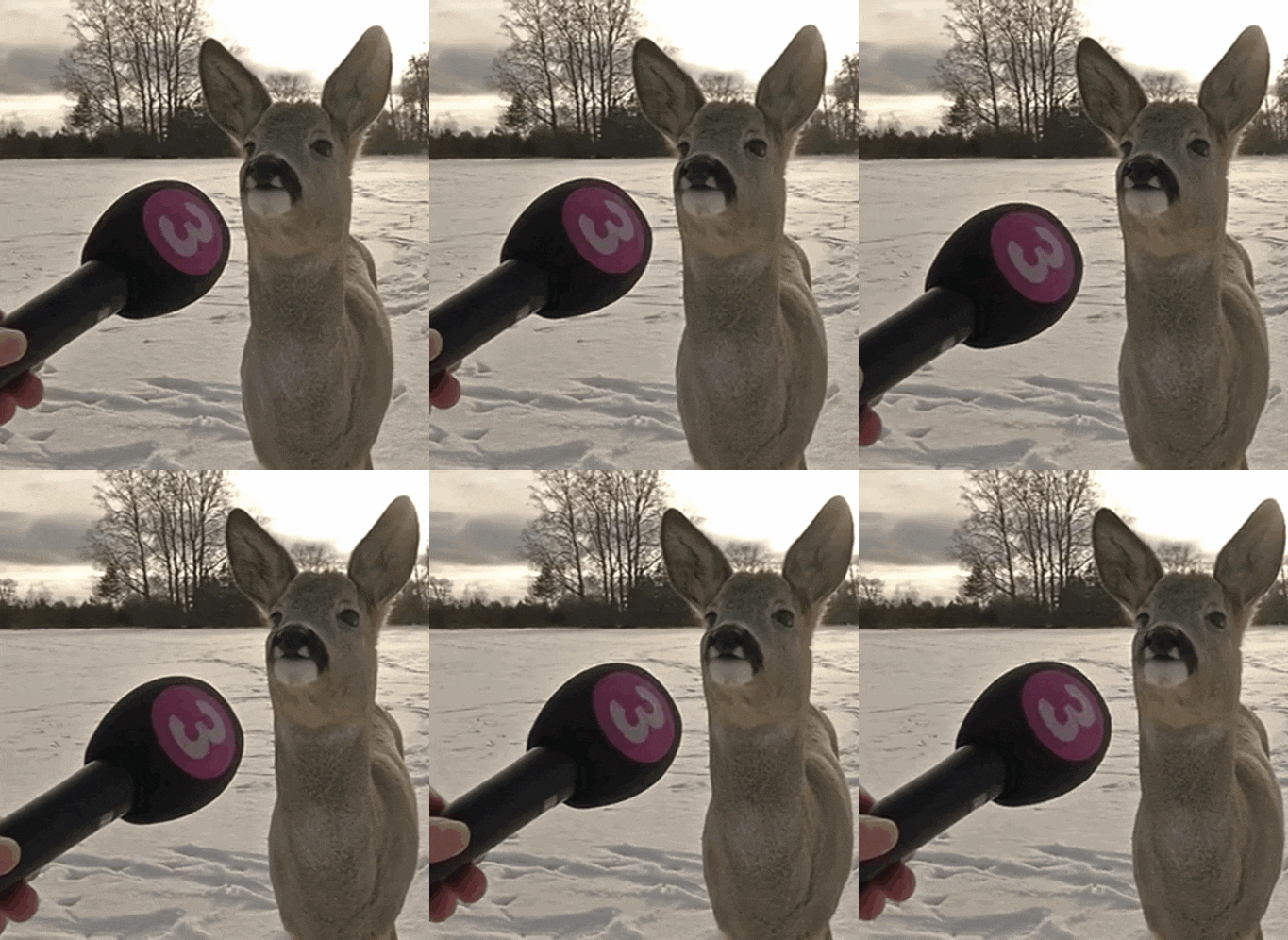
Despite the fact that bisexual behavior has been documented in more than 1,500 animal species, there is still a widespread issue of underreporting. In animal field studies, researchers often observe same-sex behavior but either neglect to record it or leave it out of their published findings. Interestingly, this varies from species to species. The more “exotic” the animal, the less seems to be published about their bisexual behavior. In elephants, for example, much of the data scientists have collected about same-sex behavior appears to have been left on the cutting room floor. But this isn’t always the case. At the other end of the spectrum, we see just the opposite with deer. Even today, there are more than 75 million deer in the world. In many parts of North America, deer are so numerous as to be considered pests. These majestic animals may not be considered exotic, but their bisexual behavior is among the most documented of any animal covered in this series.
In a deer-specific chapter of the 2006 book Homosexual Behaviour in Animals: An Evolutionary Perspective, a pair of Czech researchers noted that same-sex mounting “has been observed in at least 12 deer species” and “occurs in both sexes and at all ages, and in the wild as well as in captivity.” These species include axis deer (also known as chital), caribou (also known as reindeer), elk (also known as wapiti), fallow deer, moose, mule deer (also known as black-tailed deer), muntjac, Pere David’s deer, red deer, sika deer, southern pudu, and the common white-tailed deer.
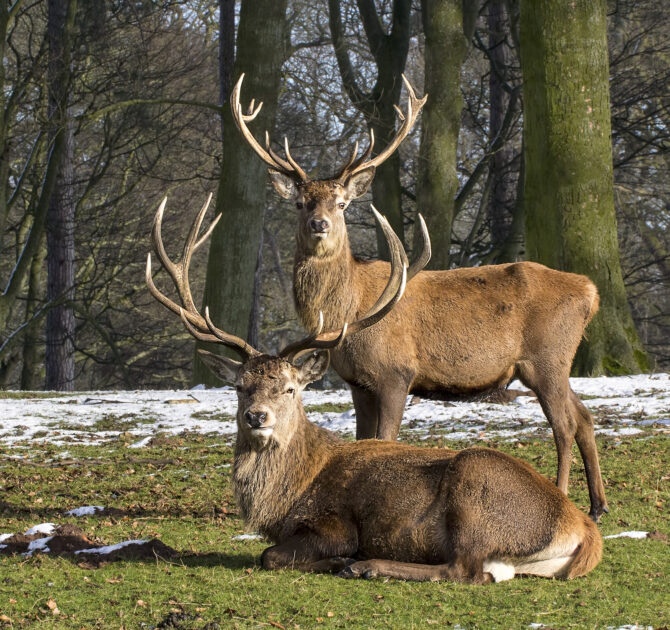
In his 1999 compendium of animal same-sex behavior, Biological Exuberance, biologist Bruce Bagemihl cataloged a preponderance of deer bisexual behavior. Red deer stags, for example, have been documented mounting one another with full erections. In fact, outside of the breeding season, same-sex mounting accounts for about a third of all mountings in that species. Mule deer are known to mount each other while play-fighting or jousting. White-tailed deer bucks occasionally mount other bucks twice in a row, while elk bulls sometimes take turns mounting each other, a practice known as “reciprocal mounting.”
Deer also engage in various same-sex courtship behaviors, such as “chin resting” (red deer), where one deer rests its chin on another’s rump; nuzzling (white-tailed deer); licking or sniffing scented glands on hind legs (mule deer); sniffing genitals (moose); and making rutting sounds (caribou and moose).
Bagemihl also notes the surprising role antlers play in the sexual behavior of male deer:
Among male Red Deer, Moose, [elk], and other species of Deer [including caribou], the antlers are erotic organs that can result in sexual arousal and even ejaculation when they are rubbed. In addition to occasionally stimulating each other this way, males of these species often stimulate themselves by rubbing their antlers in clumps of vegetation.
Deer seem to become especially frisky when in captivity, engaging in same-sex behavior at a higher rate than in the wild. One study found that fallow and white-tailed deer bucks not only regularly mounted each other in captivity, but they often did so “two to six times in a row.” Another study of mule deer from 1987 reported that “All captive deer were observed mounting one another as many as three times in an hour. Adult deer of like and opposite sexes, as well as fawns, mounted one another during all seasons of the year.”
While male deer make up the majority of documented cases of same-sex behavior, this occurs in females as well. As Bagemihl chronicled, red deer females (known as hinds) are responsible for nearly two-thirds (64%, according to some studies) of all bisexual behavior. Hinds sometimes mount one another during the mating season when they are in heat, while female swamp deer (also known as barasingha) have been observed to mount other females outside of the breeding season. Among red deer and elk, this happens with both sexes. Outside of the rutting season, about 70% of red deer hinds engage in same-sex behavior, and around a third also take part in female-female mounting “as both mounter and mountee.” Caribou females (called cows) sometimes mount one another, while mule deer do mount other females in heat and also court one another by engaging in “rush courtship”, where a deer zooms, jumps, and skids around another to cause arousal. Nature’s very own speed dating.
Female deer also engage in “reverse mounting”, where the female thrusts against the male from behind. This happens among female caribou, elk, and especially red deer, where reverse mountings make up over a quarter of all heterosexual activity.
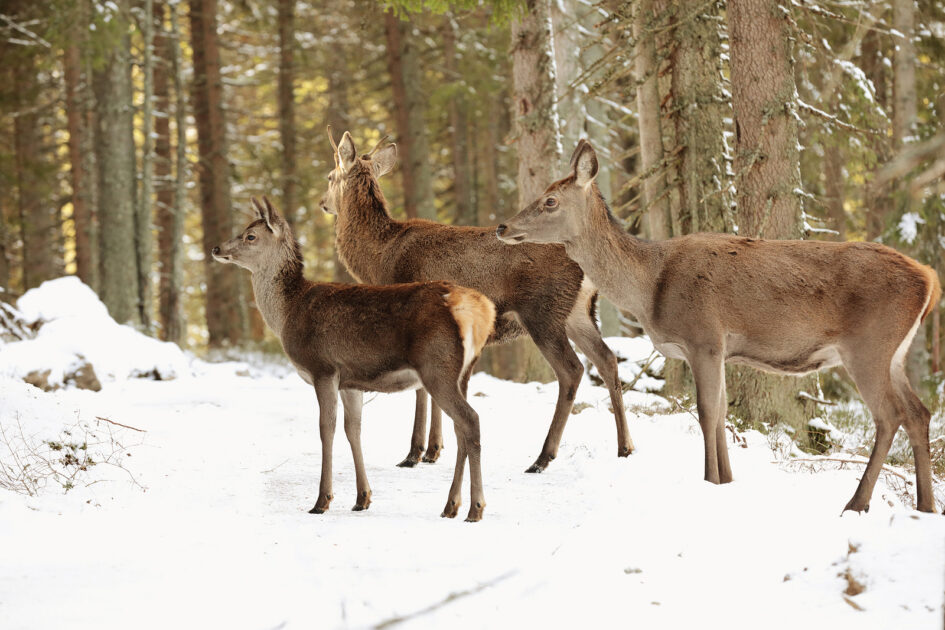
One study from 1983 found that female participation and sexual roles could be found in nearly every possible configuration. Reporting 78 mountings over 1,050 hours of observation, the study author noted that some females who never engage in same-sex behavior assume the male role in heterosexual interactions by reverse mounting the male. Meanwhile, other females played the male role in same-sex encounters with other females, but reverted to the female role in heterosexual mountings with males.
It’s worth noting that for all of the same-sex behavior deer exhibit, there are virtually no reports of deer — or any wild animal, for that matter — engaging in exclusively same-sex behavior. In other words, deer who engage in homosexual behavior also engage in heterosexual behavior. In nature, bisexuality is common; exclusive homosexuality is all but unheard of.
The research literature points to many possible causes of deer bisexual behavior, which could “have multiple functions, both sexual and social”, including competition, play, hormone levels, sexual release, and “a side effect of excitement.” A common explanation given for animal same-sex behavior, especially in the 20th century, was that it wasn’t sexual at all, but rather purely an expression of dominance, leading some skeptical scientists to refer to male-male mounting in mule deer as “false mounting.” However, as the Czech researchers from Homosexual Behaviour in Animals noted, younger or smaller deer are often the ones to mount, and older or larger deer are often the ones mounted. Indeed, Bagemihl also wrote that this phenomenon of lower-ranking male deer mounting higher-ranking males has been reported among white-tailed deer, mule deer, Pere David’s deer, elk, and moose. This doesn’t mean same-sex behavior could never be dominance-related, but it does suggest it’s unlikely that dominance is the primary explanation.
Another common misconception is that same-sex behavior is in some sense “unnatural”, since it cannot produce offspring in and of itself. And yet, nature repeatedly selects for these tendencies, as we can see from the example of deer. Even in the modern age of ecological disruption, deforestation, and wildlife encroachment, deer, despite all their bisexual behavior, maintain populations so massive that many people believe they need to be hunted simply to keep their numbers in check. That’s the power of same-sex stag parties.