Gary Cooper remains one of Hollywood’s most enduring legends, celebrated for his stoic screen presence and understated acting style. A celebrated two-time Academy Award winner for his roles in Sergeant York (1941) and High Noon (1952), he received three more nominations and an honorary Oscar in 1961 for the international recognition that the motion picture industry earned thanks to him.
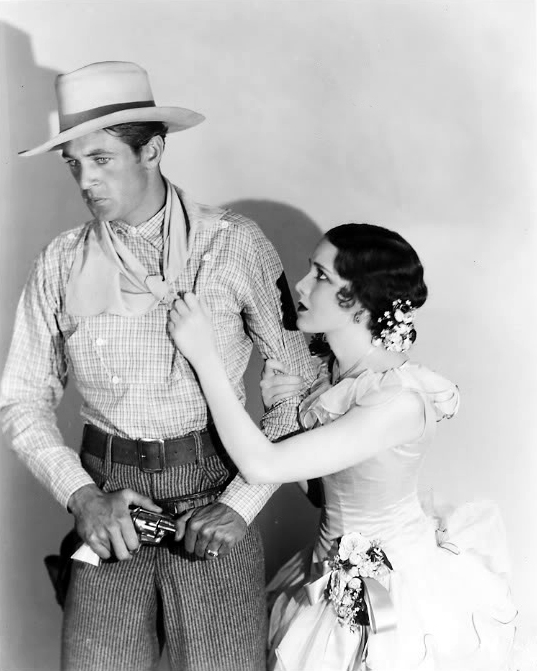
Cooper began working in the industry as an extra, and it only took him a few years to become a Western hero in silent films. His transition to sound solidified his stardom with his role as the male lead character in The Virginian (1929), establishing also his trademark laconic charm. In the 1930s, he started moving away from his western protagonist persona, taking on adventure epics like The Lives of a Bengal Lancer (1935) and more dramatic roles, like Lieutenant Frederic Henry in the film adaptation of Hemingway’s A Farewell to Arms (1932).
By the late 1930s and 1940s, Cooper became synonymous with the everyman hero by portraying idealistic yet vulnerable roles such as, in Frank Capra’s comedy dramas Mr. Deeds Goes to Town (1936), where he plays a quiet, innocent writer of greeting cards who inherits a fortune, and in Meet John Doe (1941), where he masterfully played a down-and-out bush-league pitcher.
His Oscar-winning turn as WWI pacifist-turned-soldier Alvin York in Sergeant York (1941) and his poignant portrayal of Lou Gehrig in The Pride of the Yankees (1942) cemented him as an actor capable of performing with great conviction and versatility. Later, he delivered one of his most politically charged performances in High Noon (1952), a Cold War allegory praised for its moral complexity.
In his final years, Cooper gravitated toward darker, introspective roles, such as the uncompromising architect in The Fountainhead (1949) and the reformed outlaw in Man of the West (1958), showcasing his depth beyond the “all-American” archetype.
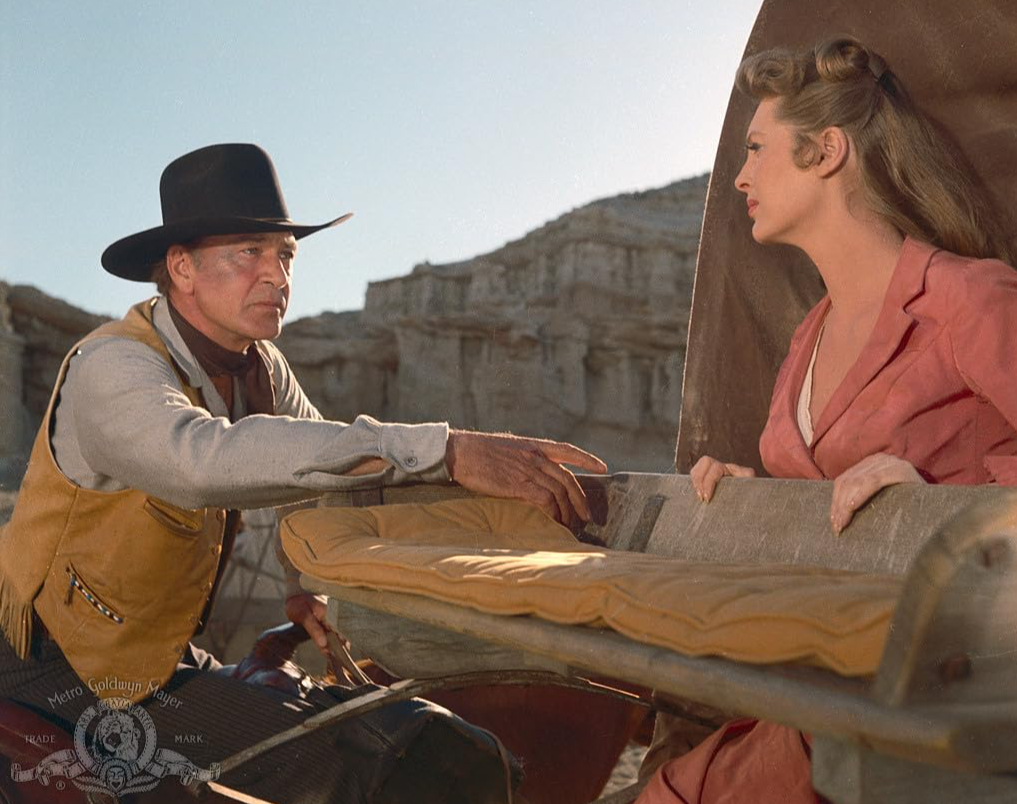
Off-screen, Cooper’s life defied his public image. Though he was linked to actresses like Clara Bow, Marlene Dietrich, and Lupe Vélez, he shared a year-long intimate relationship with actor Anderson Lawler, as documented in William J. Mann’s book Behind the Screen: How Gays and Lesbians Shaped Hollywood.
According to one of her biographers, Vélez acknowledged their bond, even tolerating Cooper’s lingering scent of Lawler’s cologne. According to said biographer, “Vélez knew of this relationship and permitted it so long as she would participate”. Cooper had earlier been rumored to have been involved with men, namely with silent star Rod La Rocque and later with bisexual tycoon Howard Hughes.
Cooper died of cancer in 1961, but his legacy transcends his filmography. As historians like William J. Mann have noted, his life underscores how queerness persisted in Old Hollywood, even under enforced secrecy. Cooper’s story isn’t just one of cinematic greatness, it’s a testament to the quiet resistance of a man who navigated fame on his terms, challenging norms long before Hollywood could openly acknowledge them.