Welcome back to Bi Book Club! Recently, I was lucky enough to attend the premiere of the documentary Scotty and the Secret History of Hollywood (2017), focusing on the life of WWII Marine Scotty Bowers.
Scotty moved to Tinseltown after the war and quickly started up a business as a hustler, pimp, and gigolo at a gas station. But here’s the catch — he serviced the highest ranks of the closeted members of Hollywood during the Golden Age of movies. These exploits included not just gay and lesbian members of the community, but bi ones as well — and Scotty “tricked” with them all.
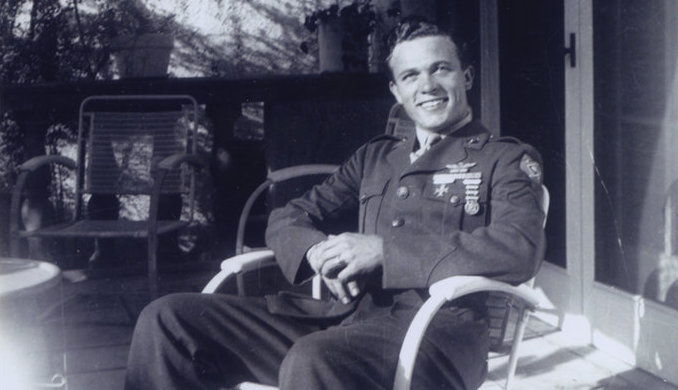
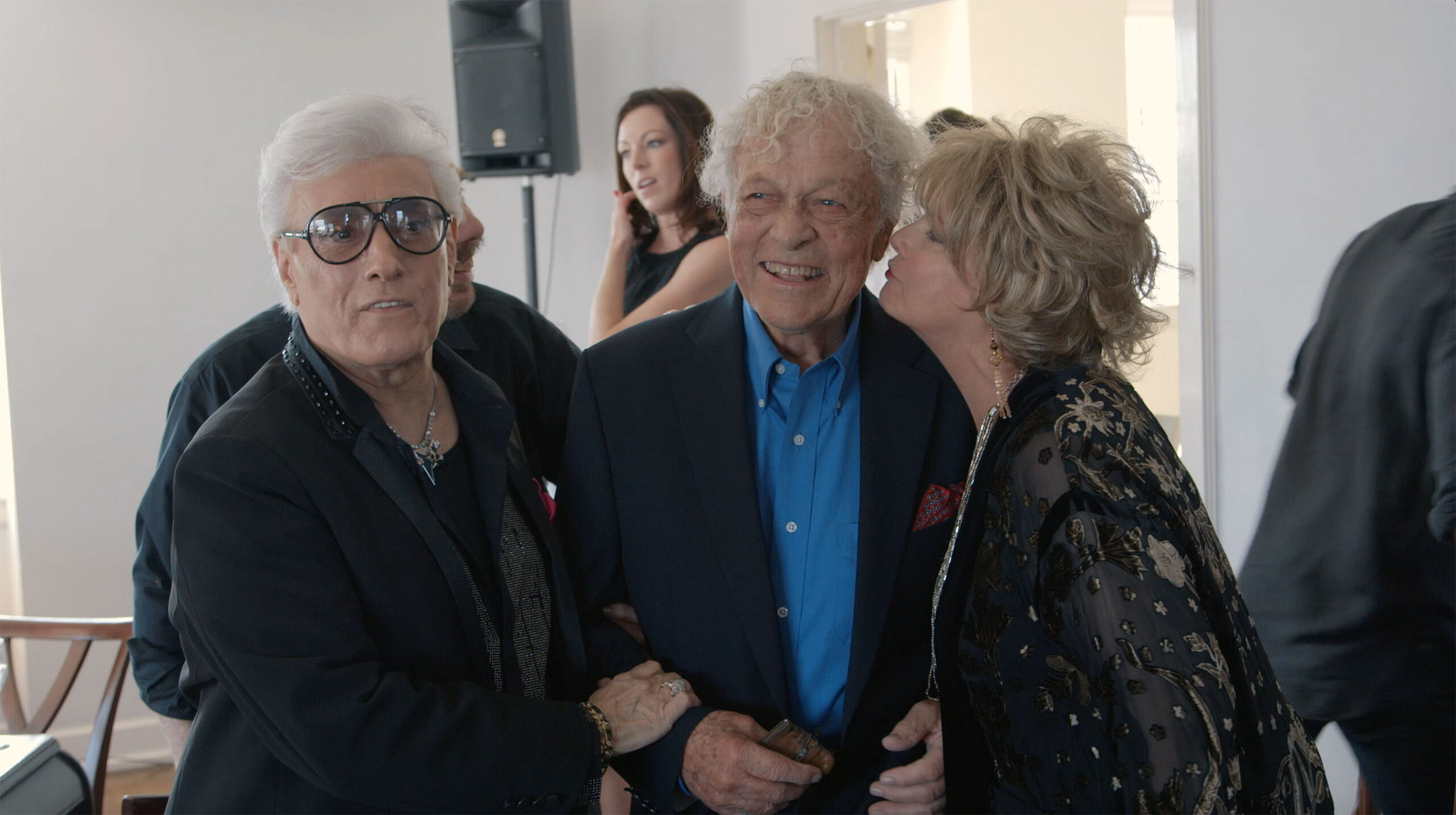
The documentary was at turns hysterical, tawdry, moving, and heartbreaking. I was grateful not only that I was invited to attend, but that I also had the opportunity to meet the film’s subject, Scotty, who was still going strong at 95! So when I found out the film was based on Scotty’s tell-all memoir, Full Service: My Adventures in Hollywood and the Secret Sex Lives of the Stars (2012), I knew I had to read it.
SPOILER ALERT: This review from here on in will discuss some of the racier and more graphic sections of Scotty’s storied life, including sexual abuse.
One thing that stood out to me above anything else was the tone of the memoir. Scotty’s writing meanders in a style that feels like one long, amusing conversation flitting from anecdote to anecdote, told over a glass of good wine while taking in a scenic vista. Some readers may find the lack of clear narrative through-line to be frustrating at times, but if you put yourself in a more conversational frame of mind, Bowers’s unconventional storytelling is quite enjoyable. Most of the stories feel as though they were directly dictated, and the structure hops around on the timeline, so be prepared to recalibrate where in time the story is taking place.
Scotty’s memoir covers quite a life. As fascinating as the documentary was, it serves as merely a starting point for a fuller and far wilder ride. I’ll get to the details of his sexual exploits, but this former Marine also details his time serving in the US Armed Forces in the Pacific, where he survived a tragic and harrowing experience at the Battle of Iwo Jima. I hesitate to spoil the details, but know that this section was a tale of such horror, loss, and incredible chance that I dropped the book and had to take a walk to process my feelings. It was perhaps the most humanizing account I’ve ever read from World War II.
But what surprised me, and what really seemed to set up Scotty’s attitude for the rest of his life, was noting how that grief and loss made him embrace life, and do so without judgment or reservation. After reading what he witnessed on that Japanese beach, I understood living a life without a shred of shame (especially about sex, which people shouldn’t feel ashamed about anyway).
Scotty had other adventures that didn’t directly involve sex work. Among other things, he helped Alfred Kinsey procure more research subjects willing to talk about lesbianism. There’s also an anecdote about Scotty sending historical examples of pornography to Kinsey’s institute that is too good for me to spoil. Needless to say, this Midwestern farm boy lived one helluva life.
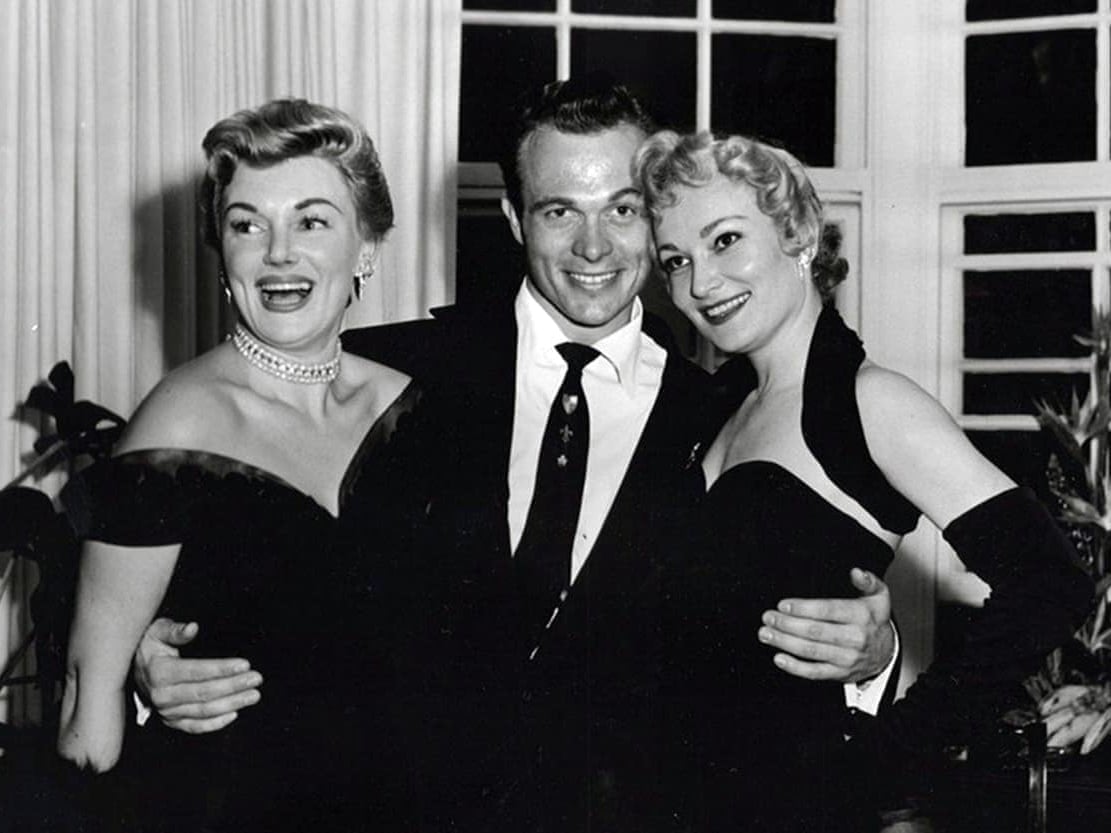
Of course, the big draw of the book is Scotty’s bawdy times running a makeshift queer brothel out of a gas station on Hollywood Blvd. There are almost too many same-sexcapades to list, but Scotty “tricked” with or arranged tricks for Cary Grant, Randolph Scott, George Cukor, Spencer Tracy, and the former King of England, just to name a few. Most of these celebrities were not publicly out during the prime of their careers due to a “morals clause” written into their contracts.
After WWII, studios realized how important and profitable it was to convey an image of success — and in America, that meant a squeaky-clean, conservative, heteronormative image. Anything that strayed from this mid-century idealism in the entertainment industry — even in people’s private lives — would undermine the entire effort. So many of these artists had to live out their greatest desires behind closed doors. And that was where Scotty came into the picture. The stories of his gas station and personal services more than deliver on their promise of eyebrow-raising delight.
Scotty does not claim the label of bi for himself, though his recalled exploits and attractions suggest otherwise. But he doesn’t have any problem calling a spade a spade with other artists and personalities that crossed his path. Honestly, he tells stories involving so many bi people that I lost count.
When Full Service first hit bookshelves, pearl-clutchers raised concerns, both about the veracity of Scotty’s claims and over outing these people after their deaths. But as time rolled on, most of the families confirmed their relatives’ predilections. As far as outing them, it really does seem like Scotty waited until nearly everyone was gone and he was almost a nonagenarian to tell his tale. I think that’s more than enough time, especially considering that the book provides important insights into a cultural touchstone of American history that would have otherwise been lost to the sands of time.
More than that, as Scotty says himself, “There’s nothing wrong with being gay or queer.” All of the actors, directors, and heads of state who were his clients only stayed in the closet because of personal and professional repercussions. If they’d had the chance to be out like their contemporaries today, most would have happily done so. Their secrecy was a product of the morality of the money-holders of the time. And I’m glad Scotty got them some of the connections and hook-ups they richly deserved.
Finally, there’s the matter of Scotty’s sexual awakening that came in the form of child abuse from his neighbors and community priests. I have to admit these passages were difficult to read, especially since he tells of these incidents so casually. Scotty appears to be something of a psychological outlier, someone whose overriding desire to “make people happy” and his unusual life outlook seems to have led him to be at peace with what happened to him. Of course, just because the victim of a heinous crime is at peace with it doesn’t make the crime any less criminal or heinous.
There is so much in Full Service I have not even touched on — and that’s just the way a book review should go, in my opinion. I recommend the memoir with few reservations, especially if you are looking for a colorful read about a man whose free relationship with sexuality helped others live their lives to the fullest — outside of the limelight.