Emiliano Zapata Salazar was a leading figure in the Mexican Revolution of 1910-1920, the main leader of the peasant revolution in the Mexican state of Morelos, and inspired the agrarian movement called Zapatismo.
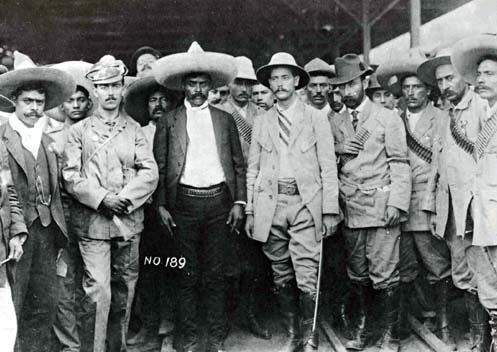
Zapata was an early participant in the political movement against dictator Porfirio Diaz and the landowning hacendados. When the revolution broke out in 1910, he was a central leader of the peasant revolt in Morelos. Cooperating with other peasant leaders, he formed the Liberation Army of the South, soon becoming the undisputed leader.
After helping to topple Diaz, Francisco I. Madero became president and disavowed Zapata’s politics, claiming that Zapata and his followers were little better than bandits. Zapata called for significant reforms that would give more power and land to the peasants and therefore represented a profound threat to the elite. Zapata remained a voice of the peasant class throughout a series of coups, countercoups, and an alliance with Pancho Villa.
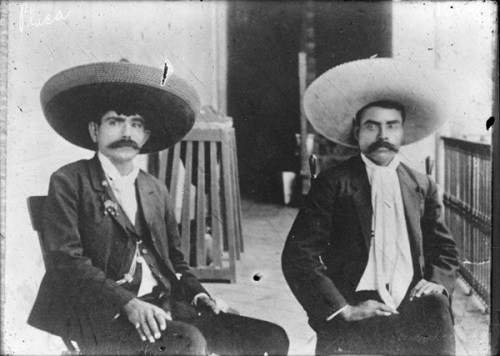
Zapata embodied the ideals of machismo that were prevalent at the time in Mexican culture. He is often portrayed as a powerful masculine man with his signature facial hair and was known to have plenty of female lovers. He was also known to make jokes against homosexuality.
At this same time, there are stories of Zapata being involved with men. He was friends with openly gay (or as openly as possible given the times) politicians, even though he often expressed strongly homophobic sentiments. In 1906, Zapata moved into the house of Ignacio de la Torre y Mier, the son-in-law of Mexican President Porfirio Diaz, ostensibly to take care of his horses. Amanda Diaz, Ignacio’s wife, wrote that her husband ignored her in favor of his employee Zapata and that she had, in fact, caught the two having sex in their barn.[1][2]
Manuel Palafox was one of Zapata’s most trusted advisors and personal secretaries. When rumors spread that he was gay, Zapata supposedly threatened to kill him but changed his mind and backed down. Years later, when interviewed by biographers, Palafox implied that Zapata was bi.[3][4]
The culture of machismo and Zapata’s iconic status have made it hard for there to be open discussions about his sexuality in Mexico.[5]
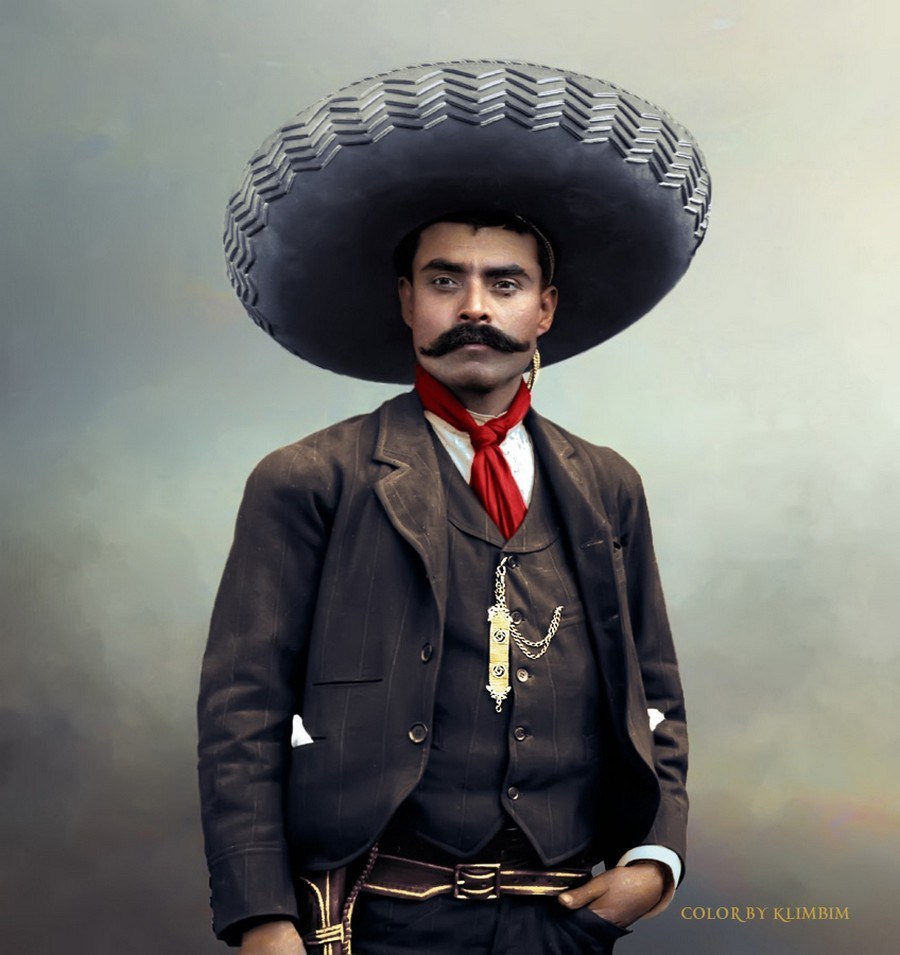
The Mexican Constitution was drafted in 1917 and included Article 27, which addressed Zapata’s agrarian demands.
Zapata died in an ambush in 1919, but many of his generals and followers rose to power in 1920 and managed to institute many of the land reforms that Zapata had spent his life fighting for. Zapata remains a national hero and an icon of Mexican culture.