The Vampire Lestat is the third season of AMC’s Interview with the Vampire, based on Anne Rice’s 1985 novel The Vampire Lestat. After its first two seasons told Louis de Pointe du Lac’s version of his life and his tumultuous relationship with Lestat, the series changes its title and perspective in its third season, putting Lestat’s story at the forefront. The season premiered in June 2026 and follows Lestat as he recounts his life through a mix of memories, recordings, and a documentary about his new career as a rock star.
The change in perspective comes with an equally dramatic change in style. Much of the season takes place around Lestat’s 2025 rock tour, as he forms a band and turns his centuries of rage, loneliness, and trauma into music. The series moves between his childhood in 18th-century France, his early years as a vampire, his relationships with other vampires, and his present-day performances.
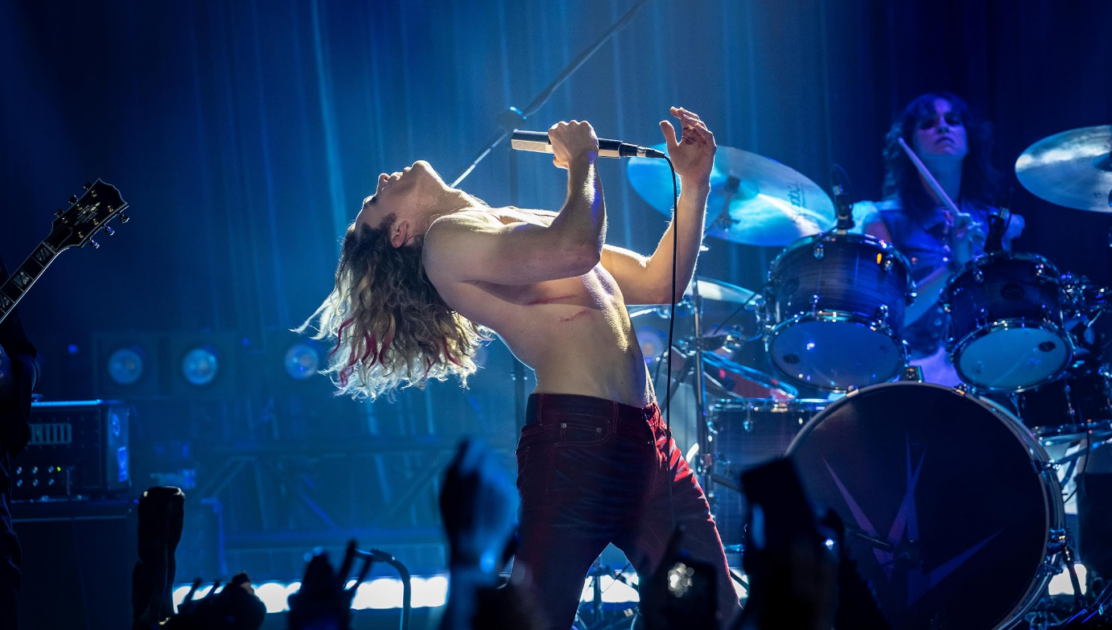
The broader reception of The Vampire Lestat has been strongly positive. The season currently holds a 96% Tomatometer score from critics and an 85% audience score on Rotten Tomatoes, with the critics’ consensus praising Sam Reid’s campy, magnetic performance and the season’s willingness to let Lestat command the screen. The nonlinear structure was divisive: some critics praised the show’s willingness to reinvent itself, while others found its shifts between time periods confusing and less emotionally effective than the first two seasons’ storytelling.
Visually and tonally, however, the season commits completely to its new identity. Gothic decadence gives way to glam rock, glitter, tight trousers, colorful hair, theatrical performances, and deliberately excessive camp. Sam Reid’s performance draws heavily on classic rock showmanship, with David Bowie’s 1974 Cracked Actor tour cited as an inspiration. The Guardian described this version of Lestat as a “dandy of the underworld,” highlighting the character’s glittery makeup, ribboned pigtails, exposed body, and flamboyant stage presence. Another The Guardian review compared the season’s musical aesthetic to artists including Iggy Pop and Mott the Hoople, while noting that its deliberately retro approach could be a difficult tonal shift for viewers coming from the earlier seasons.
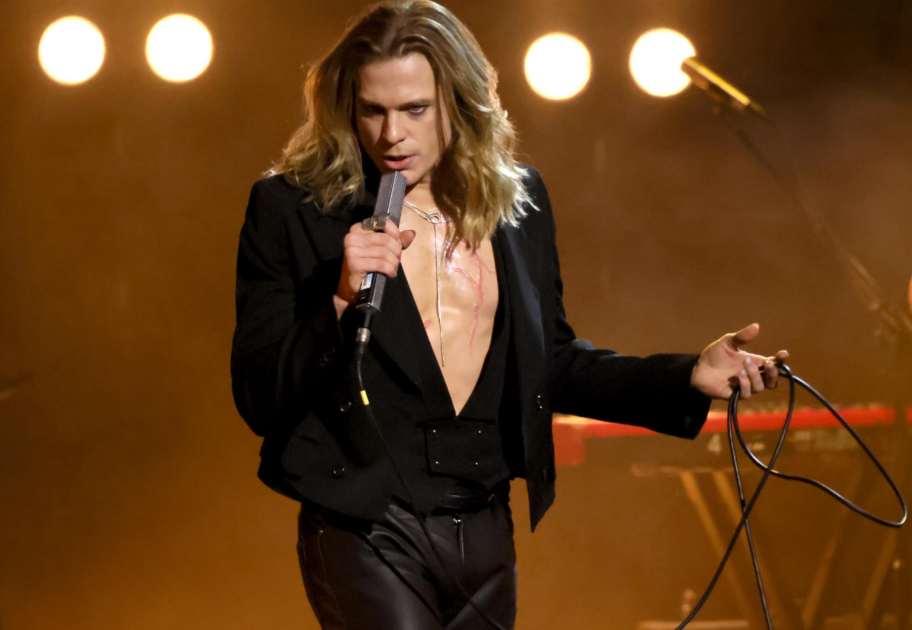
That transformation is particularly significant from a bi perspective. The first two seasons of Interview with the Vampire had already established the series as unusually explicit about the bisexuality and queerness present in Rice’s novels. The Vampire Lestat expands this into a world where sexual fluidity is almost completely normalized. The vampires of this world exist outside many of the social rules governing human relationships, and their sexual fluidity is treated as an ordinary part of their existence.
The show also continues to expand its queer ensemble beyond its central couple. Daniel Molloy and Armand move toward a relationship at the end of the season, which fans of Rice’s novels know as Devil’s Minion.
There has been some discussion among viewers about whether the season actually gives queer sexuality the same visual treatment it received previously. Some fans have argued that the third season contains fewer overtly sexual queer scenes while giving more visual attention to heterosexual encounters, particularly those involving Gabriella. A discussion within the fandom specifically questioned whether queer intimacy had been downplayed compared with Interview with the Vampire’s first two seasons.
As bi representation, The Vampire Lestat is remarkable for how openly it can portray bisexuality. It allows sexual attraction across genders to exist without shame or explanation. Lestat can be a bi rock star, covered in glitter, kissing men and women, wearing his hair in ribbons, and performing in extravagant costumes. And the fact that he draws inspiration for this image from bi icons like Iggy Pop and David Bowie makes this representation even more meaningful and impactful. The season does not make bisexuality its conflict. It simply lets its vampires be bi — and lets them have fun with it.