Hello, unicorns! I’m generally a fan of horror, but very few movies have managed to scare me to the point of being afraid to go to the bathroom at night. Huesera: The Bone Woman has received widespread critical praise, so it’s worth a chance whether or not you’re a fan of the genre.
So, I went in expecting to watch a horror movie and support Mexican cinema. And yes, in terms of suspense, the film delivers. It’ll keep you on the edge of your seat. However, an unexpected theme emerges in the plot: the protagonist’s sexual orientation. This is what I want to discuss.
But before I continue, a fair warning. This review will contain SPOILERS, so you might want to watch the movie first to better understand it. Second, although I’ll use PG-13 language, I’ll be referencing sensitive topics like explicit sex and descriptions of horror scenes. Last but not least, if you’re not familiar with our rating scale, you can check it out here. Now, let’s dive into this terrifying thing!
The Bone Woman is the debut film of Mexican director Michelle Garza Cervera, released in 2023. The story portrays the difficulties of motherhood, along with the social pressure to fulfill gender roles imposed by families. Through the eyes of Valeria (Natalia Solián), we follow a first-time mother who, on the surface, lives in a perfect marriage. However, as the film progresses, we see that this family was built on shaky grounds.
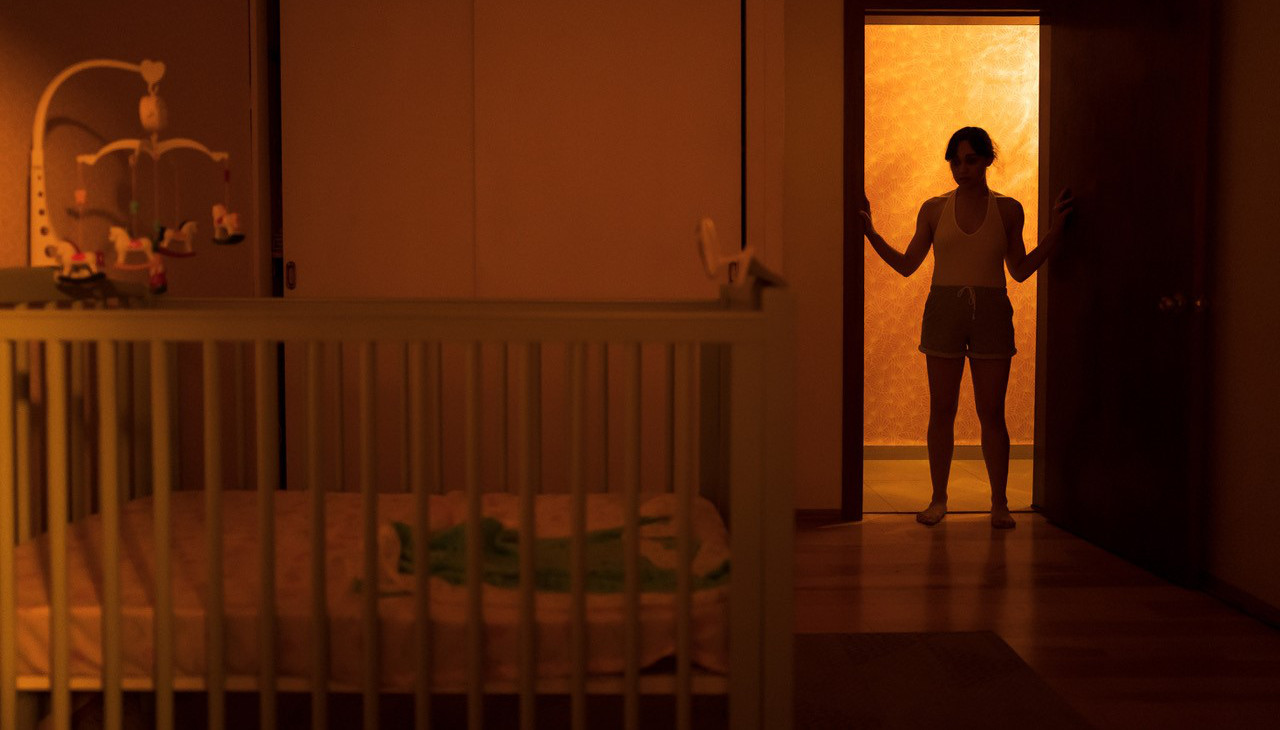
It should be noted that, graciously, the film stands out for not using its female protagonist as a foil to the male lead or as the bearer of an irrevocable curse. Instead, we see an ordinary woman who is happy about becoming a mother — she had wanted it for a while — but who, as the months go by, begins to question whether she made the right choices.
In her youth, she had imagined a different life, one along with her first love, Octavia (Mayra Batalla). Perhaps this is why despite having a supportive husband, something doesn’t quite fit. From the moment she must relocate her furniture workshop to make room for the baby’s nursery, things aren’t well.
And this is the moment when her hallucinations begin: she starts feeling that her body is like jelly, as if she could contort and break bones at will. She starts doubting her reality when she is left in charge of her nieces and nephews while the rest of the family goes to a party; she clearly hears someone entering their house. But it seems like it never happened, and the only evidence is the family guard dog found dead the next morning. Similar scenes follow, with gruesome scenes gradually increasing.
Amidst these fears and unnerving doubts, Valeria ends up spending more time at her parents’ house, where she reconnects with Octavia. From their first greeting, it’s clear that they have unfinished business. We learn that they used to be punks who would sneak out to be together. However, after her brother’s death — he was the family’s hope for a better future — Valeria feels a responsibility to change her life around, even if it means distancing herself from Octavia, even though, at this point, both were aware of their feelings for each other but hadn’t explicitly started a relationship.
This is what makes Valeria feel like she must settle things with Octavia, so they gradually grow closer and eventually hook up. This makes it clear that Valeria is bi, though the word is never explicitly mentioned.
What I Liked:
The film tackles the topic of pregnancy from the realistic point of view of a woman who, despite being fully on board, can’t help fearing failure and worrying that her unresolved past will catch up, ruining everything and turning her into a bad mother.
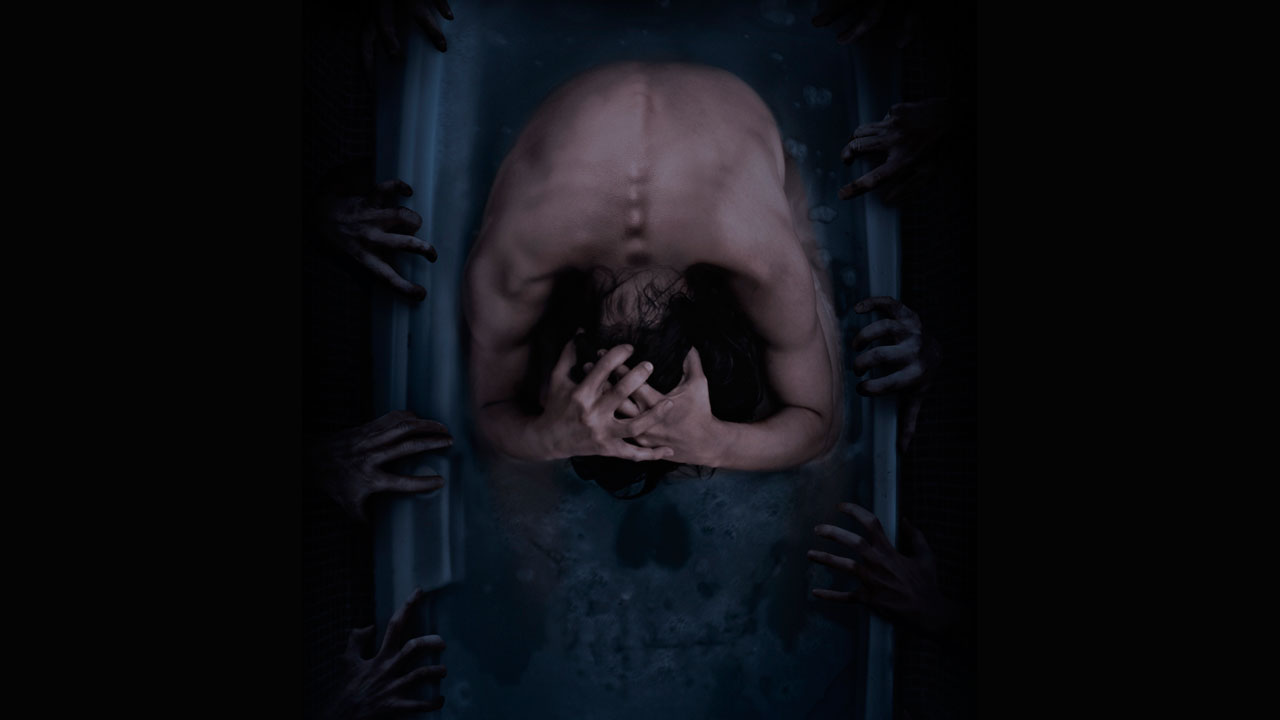
The LGBTQ representation was a standout, especially since Valeria’s mistakes weren’t linked to her queerness. Instead, she took responsibility for her infidelity, which ended her marriage. While it was difficult, she chose to walk away so both she and her ex-husband could live the lives they truly wanted. Some may find it controversial that she leaves their baby with the father, but in a way, this is progressive. It challenges social stigma and could encourage healthier parenting roles for men.
As a horror film, it stands out for being unpredictable. A shocking moment leaves the audience questioning whether something supernatural is happening or if the protagonist is responsible. This sense of doubt continues throughout the film.
What I Didn’t Like:
This might seem contradictory, but it was precisely the representation of sexual diversity that didn’t fully convince me, starting with the fact that it’s never explicitly stated that Valeria is bi. The director has hinted that Valeria might be a lesbian and that her marriage was just a facade, but I completely disagree. Her first physical attraction was indeed to a woman, but that doesn’t mean her marriage to her husband was forced. On the contrary, she was happy; they supported each other, and they enjoyed the process of trying to become parents. In other words, Valeria felt physical attraction and emotional closeness to him, which shows that she is, in fact, bi.
Although the film does a good job of demystifying pregnancy, I think the bi representation could have been handled better. Alternatively, they could have made Valeria into a lesbian woman. But in such a case, what was hinted at perpetuates harmful stereotypes about bi people: that marrying someone of the opposite sex is a way to “cure” bisexuality (as if being bi were something that needs fixing) or that being bi is just a phase before admitting you’re gay. The Bone Woman seems to lean more toward the latter, which I hope to see less of in media.
The Rating:
If I were to rate it just as a horror film, I’d give it top marks. But for bi representation, I’d give it two out of four unicorns.
While the female protagonist does experience significant growth, at times her sexual orientation seems like a plot device used just to create controversy and include some risqué scenes. In the end, the audience might be left with the impression that Valeria was lying to herself because she was a lesbian, as if there are only two valid sexual orientations.
Huesera: The Bone Woman is an incredible attempt to showcase more female characters on screen, but there’s still work to be done to fully stop erasing bi people. We’re likely the largest group within the spectrum of sexual diversity, yet we have very few stories that explore how we navigate romantic relationships and other aspects of our lives.