Tomboyland is the 2020 debut essay collection by bisexual author Melissa Faliveno, published by Topple Books. Described as “fiercely personal and startlingly universal” by its book jacket, this memoir-in-essays received a starred review from Publishers Weekly and was named an NPR and New York Public Library Best Book of 2020. Oprah Magazine also named it one of the best LGBTQ books of the year. The collection received a 2021 Award for Outstanding Literary Achievement from the Wisconsin Library Association.
Tomboyland stands out for its fearless exploration of complex themes such as identity, home, violence, and class, and does so through unexpected lenses such as tornadoes, kink parties, and softball. The essays don’t shy away from difficult material, and Faliveno isn’t afraid to admit that she doesn’t have all the answers, lending the collection an honest, relatable voice.
Faliveno noted in a 2020 panel that her memoir was inspired by a series of unresolved questions bugging her: “What makes a person? What makes a family? How does class define us? Can we ever escape ourselves or the place we call home?” She reaches for answers, ending up discussing gender and sexuality, and bisexuality in particular, approached in great detail in the essay that titles the collection.
“Tomboy” delves deepest, examining Faliveno’s bisexual identity as an androgynous woman who has faced erasure when dating men. She describes how assumptions that she “must be a lesbian” due to her appearance led her to silence herself, fearing her bisexuality would be dismissed. Unsure if she fit in with her straight or queer friends, Faliveno felt, for a time, that it was easier to stay invisible than risk “disappointing” new friends by talking about how she also dated men — a struggle she recounts poignantly in the essay’s opening.
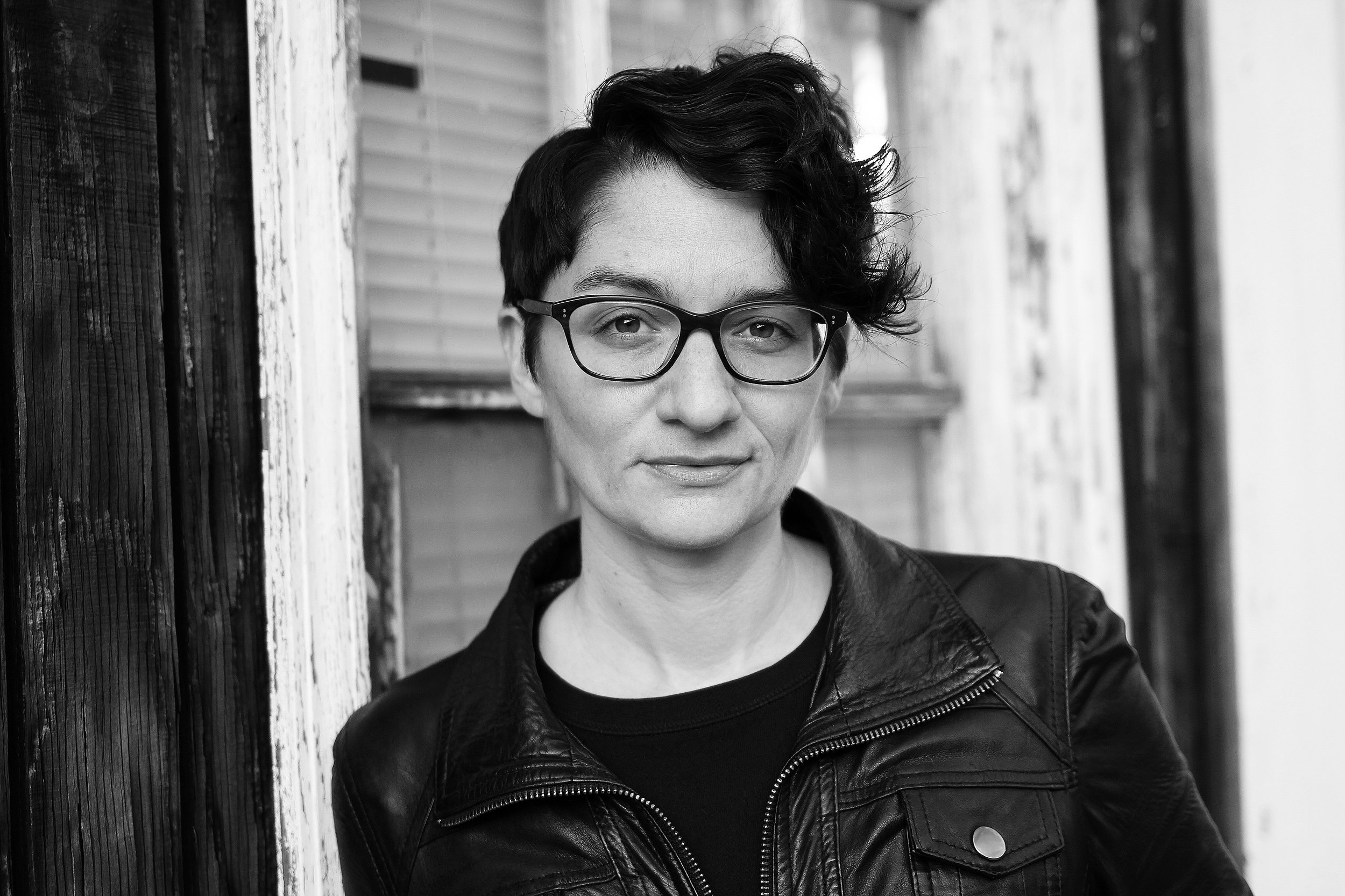
Though bi erasure and biphobia are familiar topics, Faliveno approaches them with fresh nuance. In “Tomboy,” she interrogates the fluidity of labels: Who decides what we call ourselves? Can language ever fully capture identity? Her reflections acknowledge that words that fit today might not tomorrow — and that’s okay. While these conversations weren’t new in 2020, Faliveno elevates them by embracing their contradictions, offering more depth than simplified discourse often allows.
Tomboyland is a study in “liminal spaces” — the in-betweenness Faliveno navigates not just in her sexuality, but in her broader quest to understand other avenues of her life as she unwinds the complexities of identity and home.