While in real life we only had to wait a couple of years for the return of The Last of Us, the series surprised us with a five-year time jump since we last saw Joel (Pedro Pascal) and Ellie (Bella Ramsey). And of course, we were ready for a second season, bringing HBO’s adaptation of one of the most talked-about games in recent years: The Last of Us Part II. As someone who played the original game, my curiosity was immense about how they’d adapt this second installment into just seven episodes.
Welcome to the Unicorn Scale, where this time we’ll analyze how the series handles bisexuality and relationships beyond survival!
Warning: If you haven’t watched the season or played the game yet, this article will be full of SPOILERS about the spiral of revenge and moral complexities of this post-apocalyptic world. If this is your first time reading the Unicorn Scale, I hope you enjoy it and consider checking out the original article to understand how we rate media here. You can also take a look at our Bi Media entry about this series.
Let’s begin!
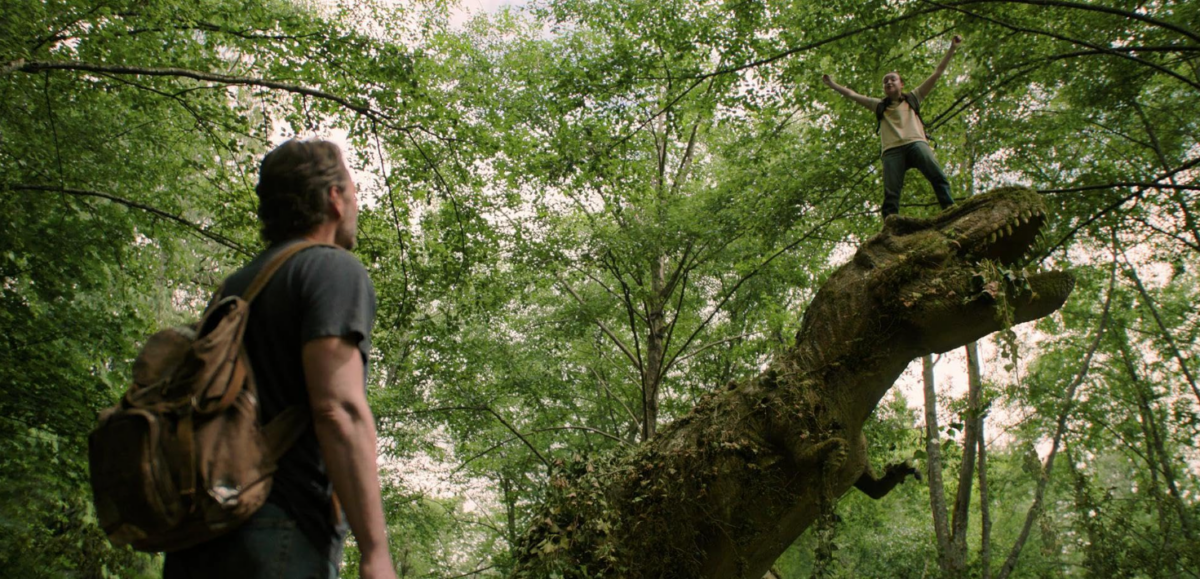
This season reunites us with Joel and Ellie, now settled in the apparent peace of Jackson County’s survivor community, but due to Joel’s secrets, we find them emotionally distant. Meanwhile, in Salt Lake City, we learn that Abby Anderson — a new character and the daughter of the Doctor that Joel murdered while rescuing Ellie — plans to take revenge alongside her group of survivors. During a snowstorm, Abby locates Jackson and, after forging a forced alliance to fight a horde of infected, reveals her identity and executes her brutal plan, beating Joel to death with a golf club in front of Ellie, causing her an immense wound and pushing her into a violent journey, seeking her own revenge.
What I Liked:
What struck me most was how this season elevated the prominence of Dina (Isabela Merced), the bi character of this story. There are even key moments where, compared to the game, the series gives her more visibility and protagonism, allowing for a deeper connection with the audience.
From her first kiss with Ellie at a party, the series establishes Dina’s bisexuality naturally. Co-creators Neil Druckmann and Craig Mazin made bold choices, like replacing Tommy’s role in the game with Dina during the tragic encounter with Abby — a change that could potentially redefine future narrative arcs.
Moreover, her character is complex, and her personal history is explored in detail. She reveals that she’d known about her attraction to both genders since childhood, but her mother’s dismissal (“No. You like boys”) left her stuck for years, even after her mother’s death. Her failed relationship with Jesse isn’t trivialized either; Dina describes him as “a really good guy but not the right one”, underscoring her struggle to break patterns and live authentically.
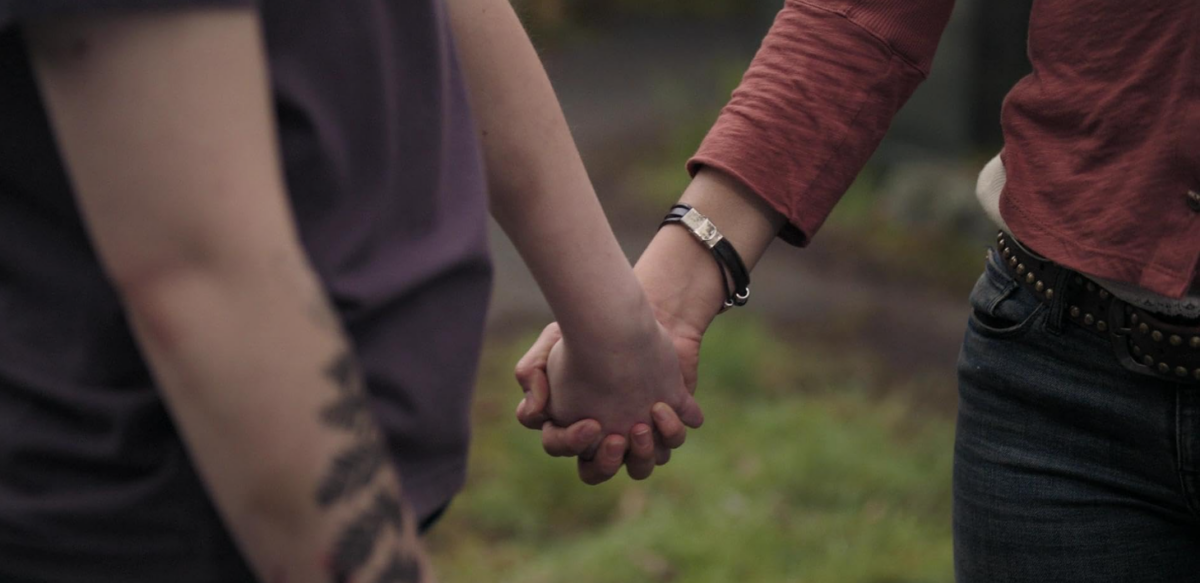
The fourth episode, “Day One”, also stands out as it centers on her relationship with Ellie. We see them arrive at an LGBT neighborhood in Seattle, adorned with rainbow flags, and sharing quiet moments in a music store, a stark contrast to the world’s cruelty that briefly reminds us that they are just two young girls capable of human connection, like anyone else.
What I Didn’t Like:
Despite its strengths, Ellie and Dina’s relationship is limited to two episodes, omitting key game scenes that made their bond feel more real in the game. For example, their time at the library, where they share a cigarette, flirt, and even kiss, was replaced with a rushed version of it, potentially hurting a story that could have greatly helped people identify more with the two young characters.
It’s also hard to believe that Ellie and Dina wouldn’t recognize a Pride flag’s meaning, given that they live in a diverse community where Joel had openly gay friends (Bill and Frank), and Ellie had a prior relationship with Riley. Did no one teach them about LGBT symbols? It feels like a forced nod to their “discovery”, undermining the authenticity of their representation as queer characters.
The Rating:
I give it 3 and a half unicorns. The series achieved something exceptional: a bi character with remarkable authenticity and a complex past, showcasing bisexual visibility rarely seen in productions of this scale. However, the absence of the term “bi” (even during Dina’s confession) and the rushed scenes of Dina and Ellie’s time at the library prevent a perfect score.
As Kate Herron, director of the “Day One” episode, noted, they aimed to handle her sexuality “naturally,” and they succeeded at it. But there’s still a long way to go. Let’s wait for the next season, and hopefully, we’ll see a significant improvement in bi representation and the future development of Dina’s character, perhaps with a more central role in the story too. Until then, unicorns, endure and survive!