Welcome back, beautiful bi bookworms! Sometimes, during these transitional seasons, it’s tough to find the right book for the changing weather. So, I thought I would dive into an arresting yet breezy read that deals with heavier themes around sexuality and identity. So with that, I submit The Seven Husbands of Evelyn Hugo by Taylor Jenkins Reid for the approval of you esteemed members of the Bi Book Club Society.
Before I get too far into this glamorous drama, please note that this review will contain a few SPOILERS, but I’m going to keep some of the juiciest morsels in the dark because there are some twists I don’t want to ruin.
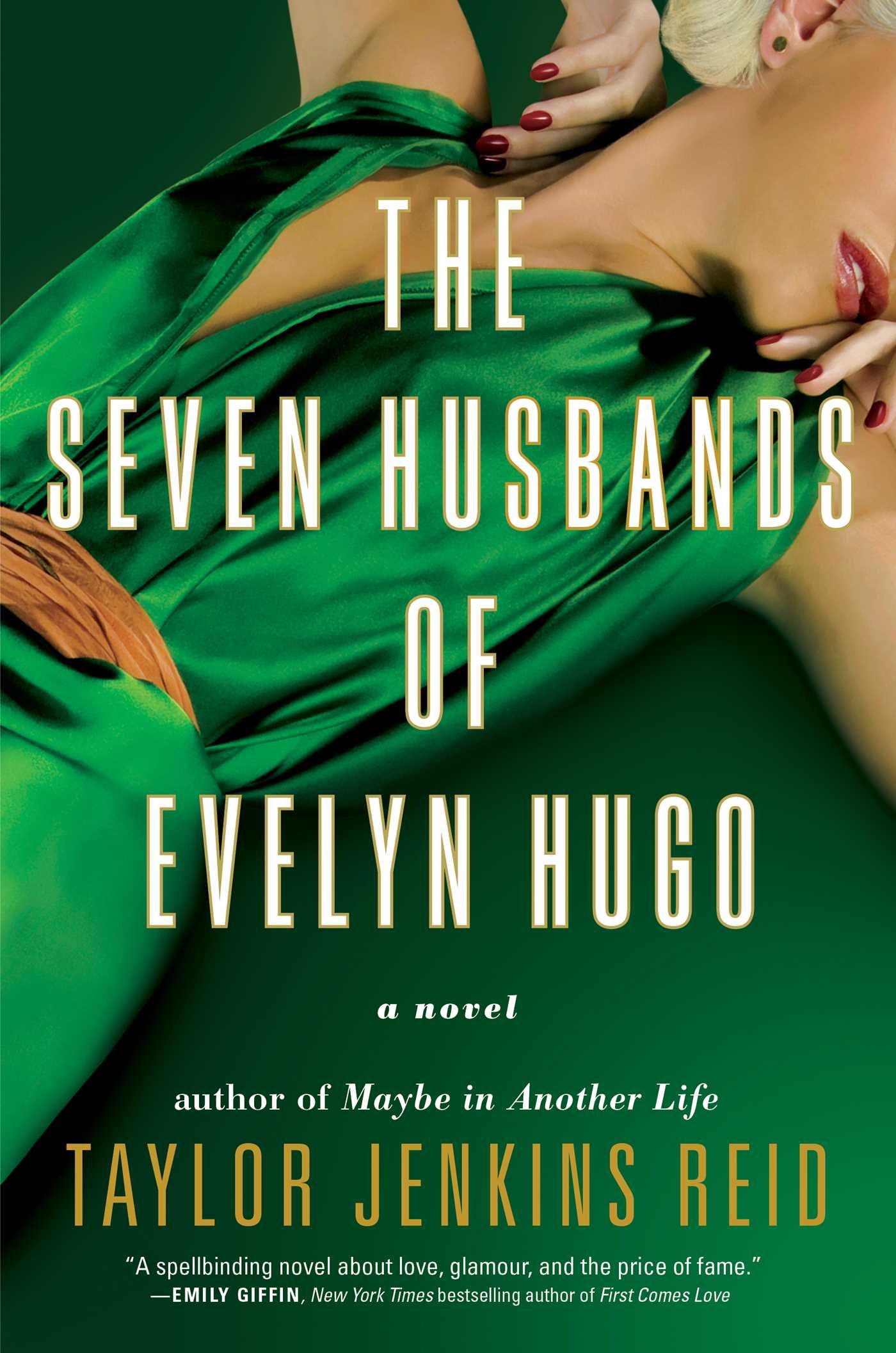
Written as a fictional memoir, The Seven Husbands of Evelyn Hugo centers on the retelling of the eponymous character’s life, a glamorous actress from the end of the Golden Age of Hollywood. Evelyn (clearly a hybrid of Elizabeth Taylor, Marilyn Monroe, and a handful of other cinematic screen goddesses) reaches out to novice magazine writer Monique to do a write-up. But when Monique meets Evelyn, expecting to pen an article about the dress she’ll be auctioning for charity, the interview turns into far more than she bargained for.
There’s a whole lot to admire and relate to in this novel. Throughout Evelyn’s life, the term “bi” is used and defended. Evelyn’s bisexuality is never really the subject of conflict with herself. In that sense, her sexuality is never at play. It’s how the world — and those she loves — deal with that fact that feeds a lot of the drama. Already on her second husband (and the first one she has the hots for), Evelyn discovers her attraction to co-star Celia St. James, realizing she is bi early on in her career. How Celia (and possibly the rest of the moviegoing public would react to this creates the central conflict of the novel. It’s often Evelyn calling Celia out on her bi erasure, as well as the husbands who discover their relationship, that cause most of her grief. But the sexpot actress never shirks from this fact about herself.
Despite Evelyn vaulting to icon status, her troubles are incredibly relatable. This isn’t just a case of the movie star blues. Evelyn is savvy and ambitious in her career, but she’s also an actress navigating an era that stretches from the Hays Code to the AIDS crisis, where moral stigmas muzzled any appearance of queerness in movie stars’ lives both on screen and off. Many creatives found other ways to express their homoerotic desires, and hiding sometimes included PR “beard marriages” — something often at play in Evelyn’s life to protect her and Celia’s respective careers and lives.
What may strike the most resounding chord with bi readers is Evelyn’s struggle to be accepted for who she is with Celia. A lesbian who is often dismissive or hostile toward males, Celia consistently denies Evelyn’s bisexuality — something many people have experienced from their loved ones. The pain such denial can carry is eloquently addressed throughout the pages.
All that being said, Evelyn is not a cut-and-dry figure. She often doesn’t think things through and lets her ambition or lack of empathy get in the way of her best interests, sometimes running roughshod over the feelings of others. Yes, Celia’s jealousy of Evelyn’s male lovers, husbands, and beards often derails their relationship, but Evelyn is no angel — either in her career or her personal life. Her ruthlessness makes for an arresting read and a fascinating character, but it often becomes her tragic flaw — that, and her stubbornness. I stop short of calling Evelyn an antihero, but she is a nuanced figure worthy of study — she’s aware the world isn’t black and white, and knows her own character makeup belongs in that categorization as well. So, while there’s much to admire, there’s also much to admonish.
The Seven Husbands of Evelyn Hugo ends up being a compelling affair, with plot twists and observations I’d rather not spoil. It’s especially fascinating for those like myself with a keen interest in queer actors of the Golden Age of Hollywood and the often tragic lengths to which they had to go to simply love the people they loved. I cannot recommend the book enough.