Stanford White
Famous BisStanford White was a New York architect and partner in the firm McKim, Mead, & White— the frontrunner among Beaux-Arts firms. Perhaps his most famous work is the triumphal arch at Washington Square created in 1889.

Although he was a respected architect at the time, White was certainly no saint. He actively pursued young women, often impoverished chorus girls, and used the significant power imbalance to seduce them.
One of those young women was actress and model Evelyn Nesbit. He was introduced to the then 15 or 16-year-old chorus girl when he was 46. He helped to financially support Evelyn, her mother, and brother by paying for their home, Evelyn and her brother’s education, and Evelyn’s dental bills. While Evelyn’s mother was out of town Evelyn claims that Stanford gave her so much champagne that she passed out and awoke to find that she had lost her virginity.
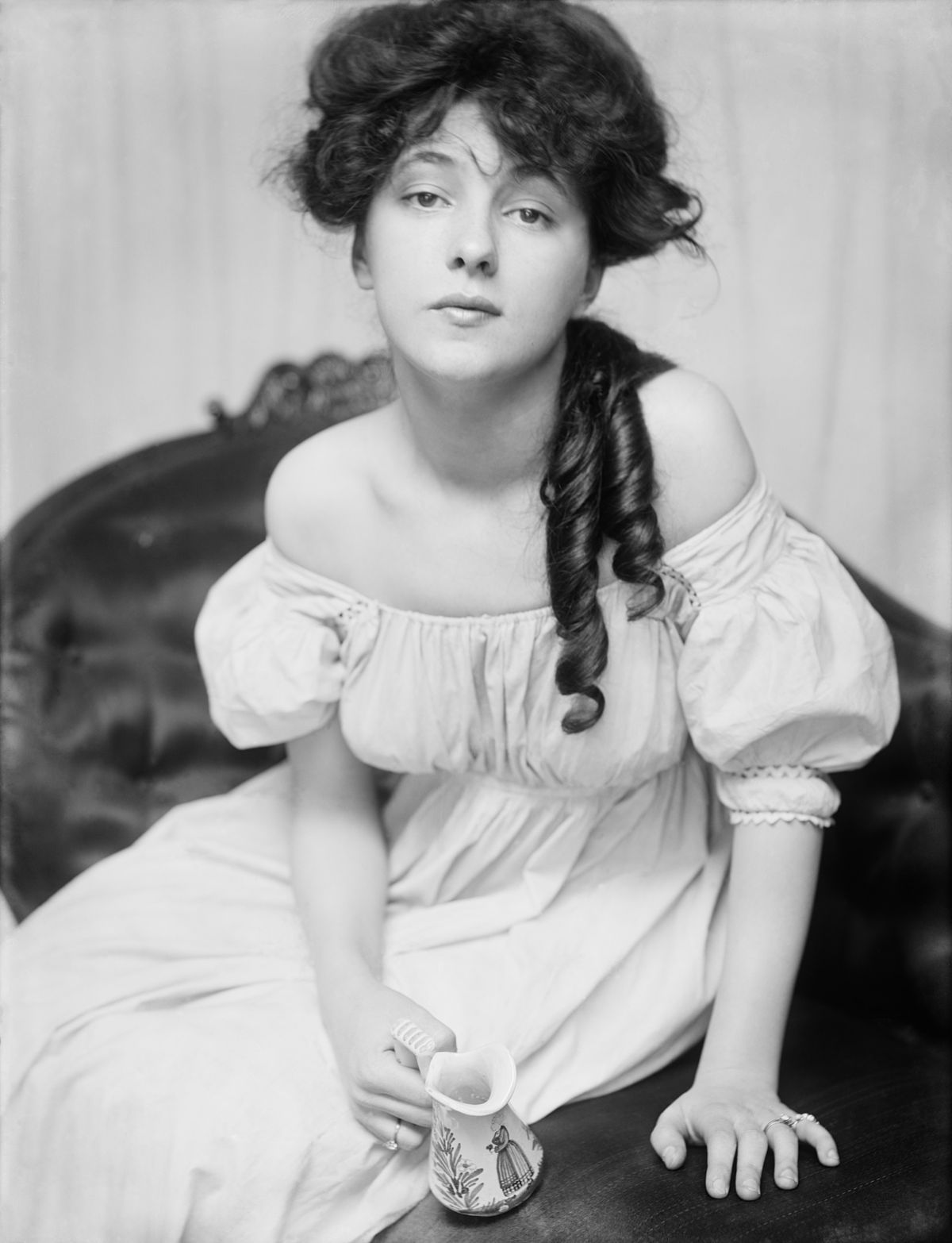
Nesbit allowed White to remain her lover for some time and the two remained friends even after they were no longer lovers. Nesbit went on to become a famous actress and eventually married millionaire Harry Kendall Thaw.
In her book about the firm of McKim, Mead, & White, Mosette Broderick talks about the culture of bisexuality at the firm, convinced that White was bi.
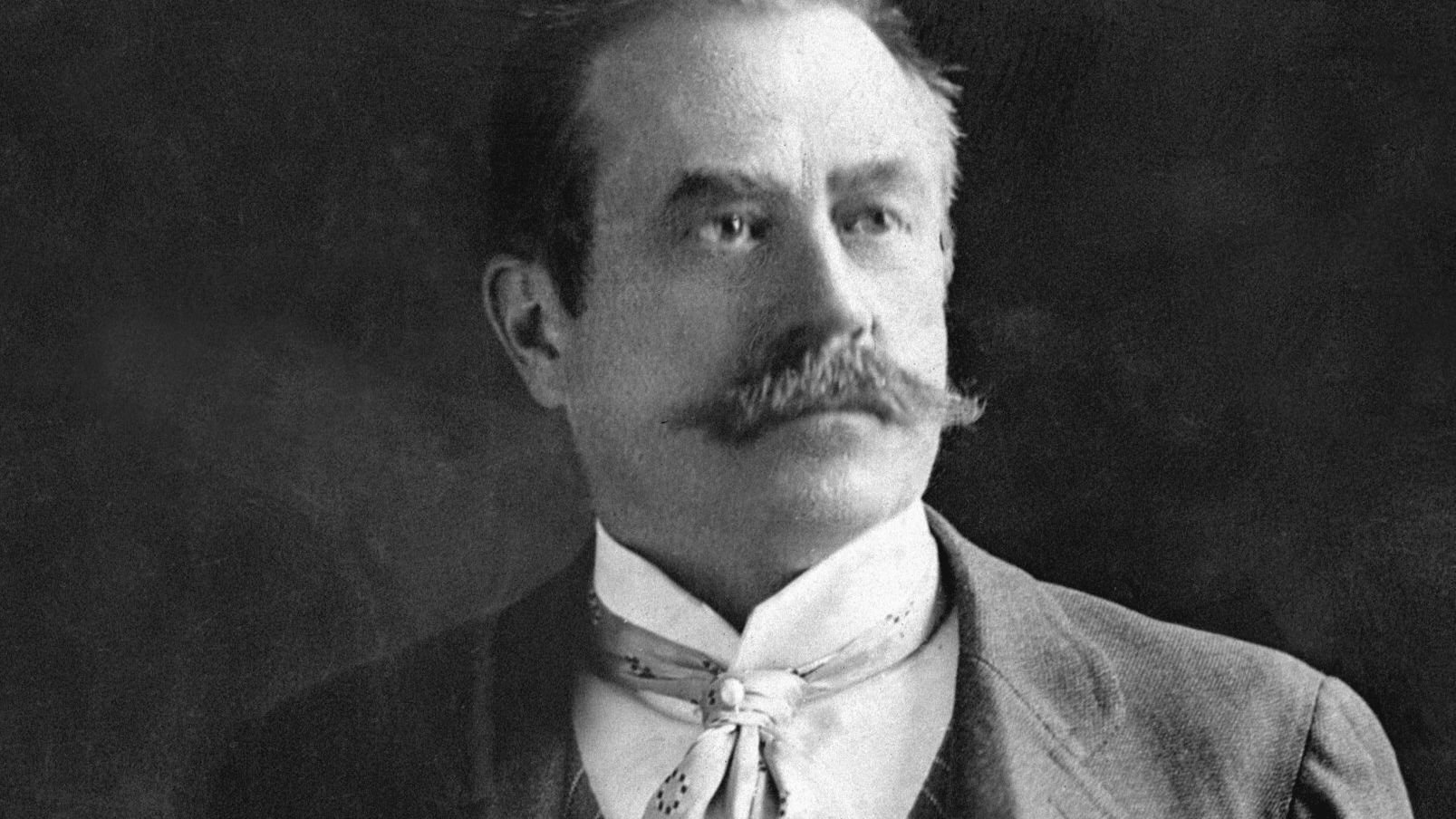
It seems that in addition to his interest in young chorus girls, White spent a lot of time in a circle of artists and socialites who were gay and his letters show that he had definitely been in same-sex relationships in his life as well. It seems for the most part that his wealth and fame made it possible for him to live his bi life, if not in the open, at least without trying too hard to hide it.
All of this ended in 1906 when Evelyn Nesbit’s husband, Harry Thaw, shot Stanford White at the theatre saying, “You ruined my wife”. White died immediately and the audience at the theater at first thought that they had just witnessed some kind of elaborate party trick.
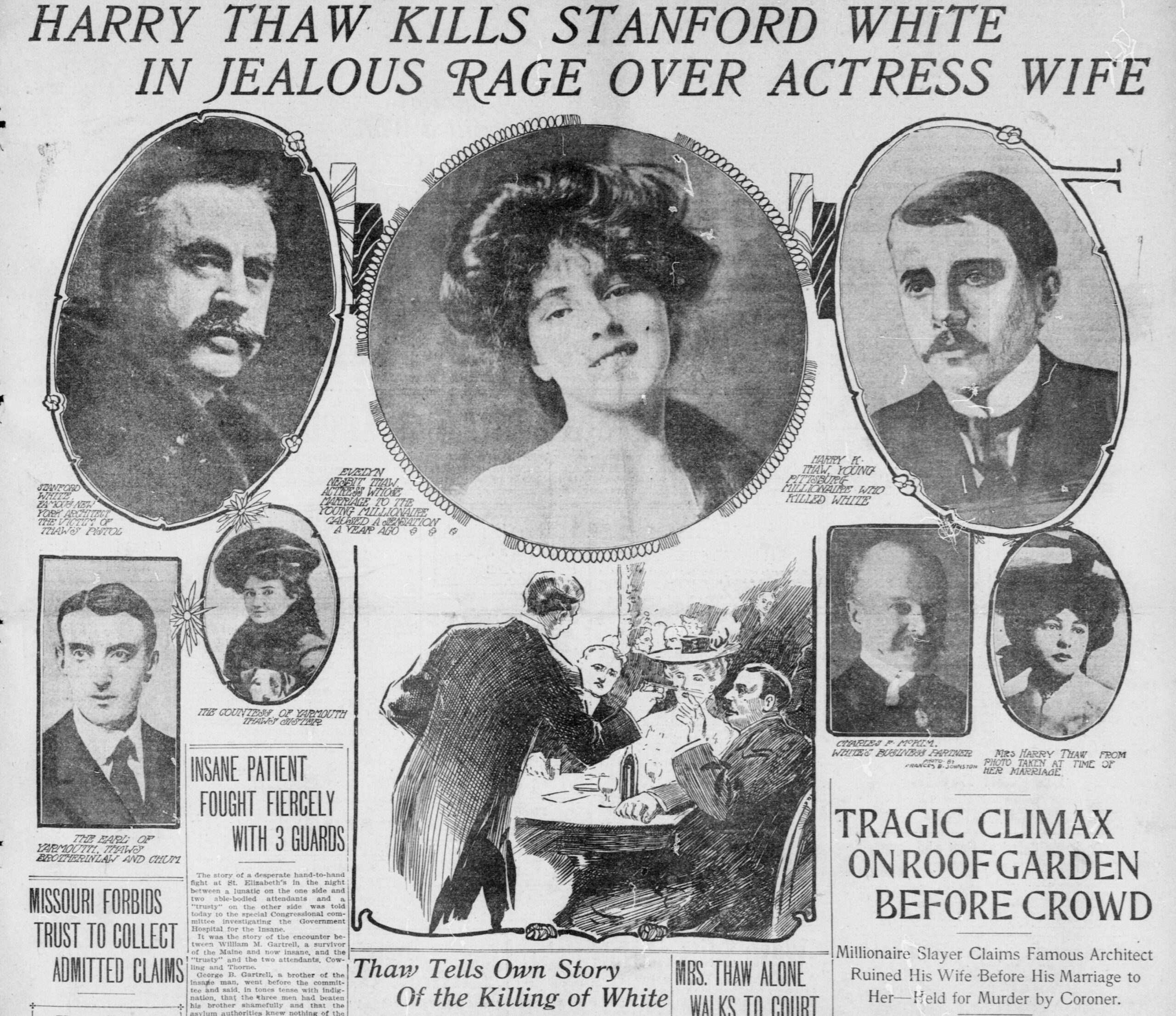
The trial of Thaw was quickly dubbed “The Trial of the Century” and was the topic of endless gossip and speculation. Thaw was found not guilty by reason of insanity.
His life, relationship with Evelyn Nesbit, and death eventually inspired the film The Girl in The Red Velvet Swing (1955), and the 1975 novel Ragtime by E.L. Doctrow.