Here at Bi.org, we’ve been covering a lot of bi-related science, including the many animal species that swing both ways, as well as the latest research showing bisexuality is more common than people think. And of course, when we discuss bi issues more broadly, we’re so often covering celebrities, movie stars, recording artists, elite athletes, fictional characters, folks from history, and other glamorous figures. Somehow, between covering topics ranging from bisexual penguins to Lil Nas X to Alexander the Great, in the space where “famous bis” and bi science converge, it’s bi scientists who often slip through the cracks. It’s time to rectify this situation, and who better to begin with than the most accomplished bi scientist you’ve never heard of: the Swedish geneticist and Nobel Laureate Svante Pääbo.
Born in Stockholm in 1955, you might say that science was in Svante’s DNA, with a chemist for a mother and a biochemist for a father. In fact, his father, Sune Bergström, won the 1982 Nobel Prize for Physiology or Medicine along with two colleagues. Following in his parents’ footsteps, Pääbo studied genetics and earned his PhD. The career that followed has been about as eventful as any scientist could dream of. He became the founding director of the prestigious Max Planck Institute for Evolutionary Anthropology in 1997. That same year, Pääbo and his team became the first to successfully extract, sequence, and analyze DNA from a 40,000-year-old neanderthal, providing early evidence that neanderthals were a distinct species from humans.
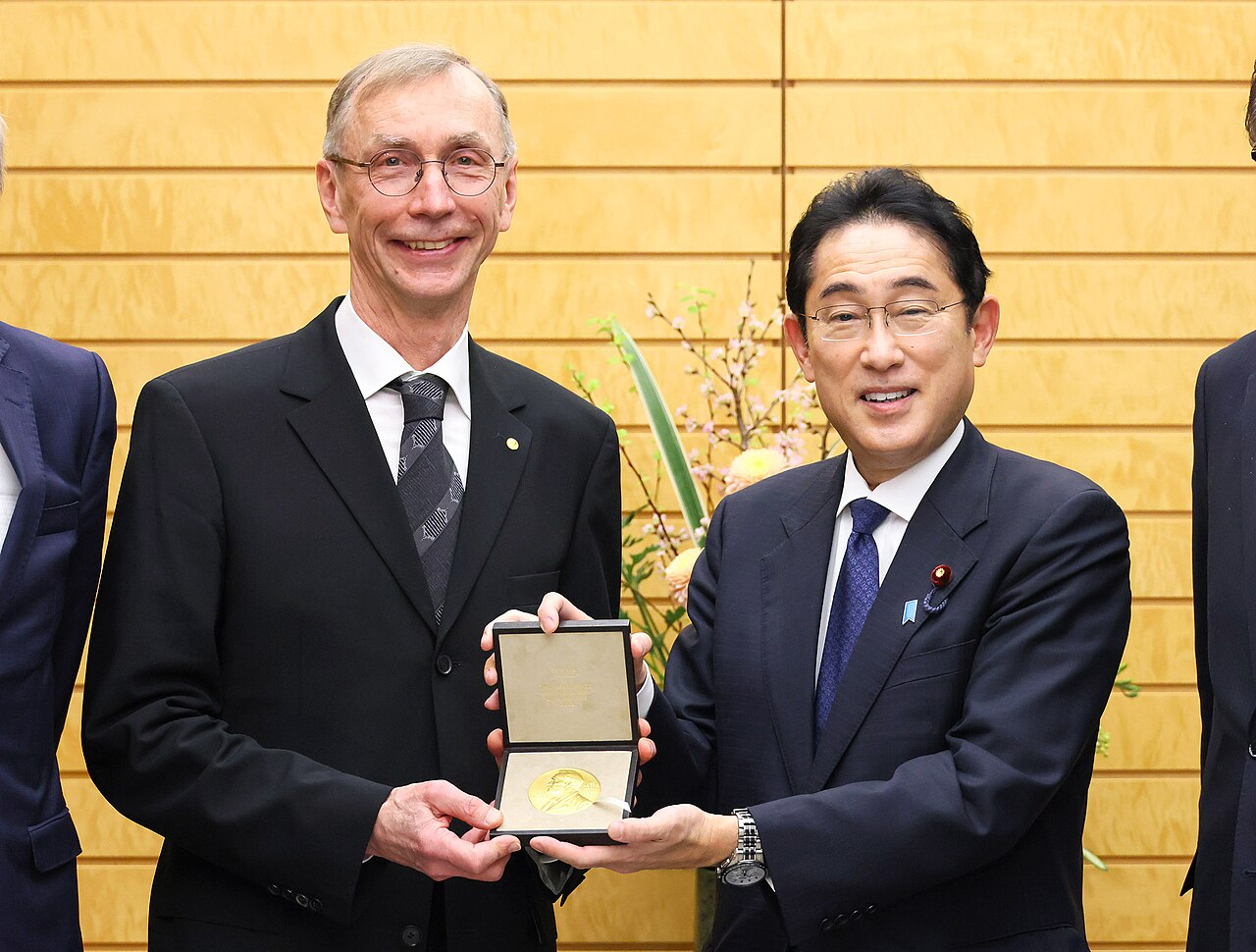
In the years since, Pääbo and his colleagues have sequenced the entire neanderthal genome, analyzed DNA from other extinct human relatives, and made important discoveries about the “language gene”, among many others. In 2020, he even published findings shedding light on some of the genes associated with the most severe COVID-19 cases.
In his 2014 book, Neanderthal Man: In Search of Lost Genomes, part popular science and part memoir, Pääbo came out as bi. He wrote that he’d been almost entirely same-sex attracted up through middle age and always assumed he was gay. That changed when he met his now-wife, the geneticist and primatologist Linda Vigilant. Her scientific brilliance, along with her “boyish” looks and charms, shifted the way he thought about his sexuality. Ordinarily, people don’t sexually reinvent themselves in their 50s, but it’s only fitting that Svante Pääbo’s personal life was as full of huge revelations as his professional one. The couple married in 2008 and have two children together.
Svante Pääbo doesn’t perform in sold-out football stadiums. You won’t see him on too many red carpets or in Hollywood movies. He doesn’t trend on social media, and he’s not on TikTok. But make no mistake, the man is an absolute rock star. He’s been at the foremost cutting edge of almost every major finding in ancient human genetics, so much so that he’s widely recognized as the founder of modern paleogenetics, the study of ancient DNA.
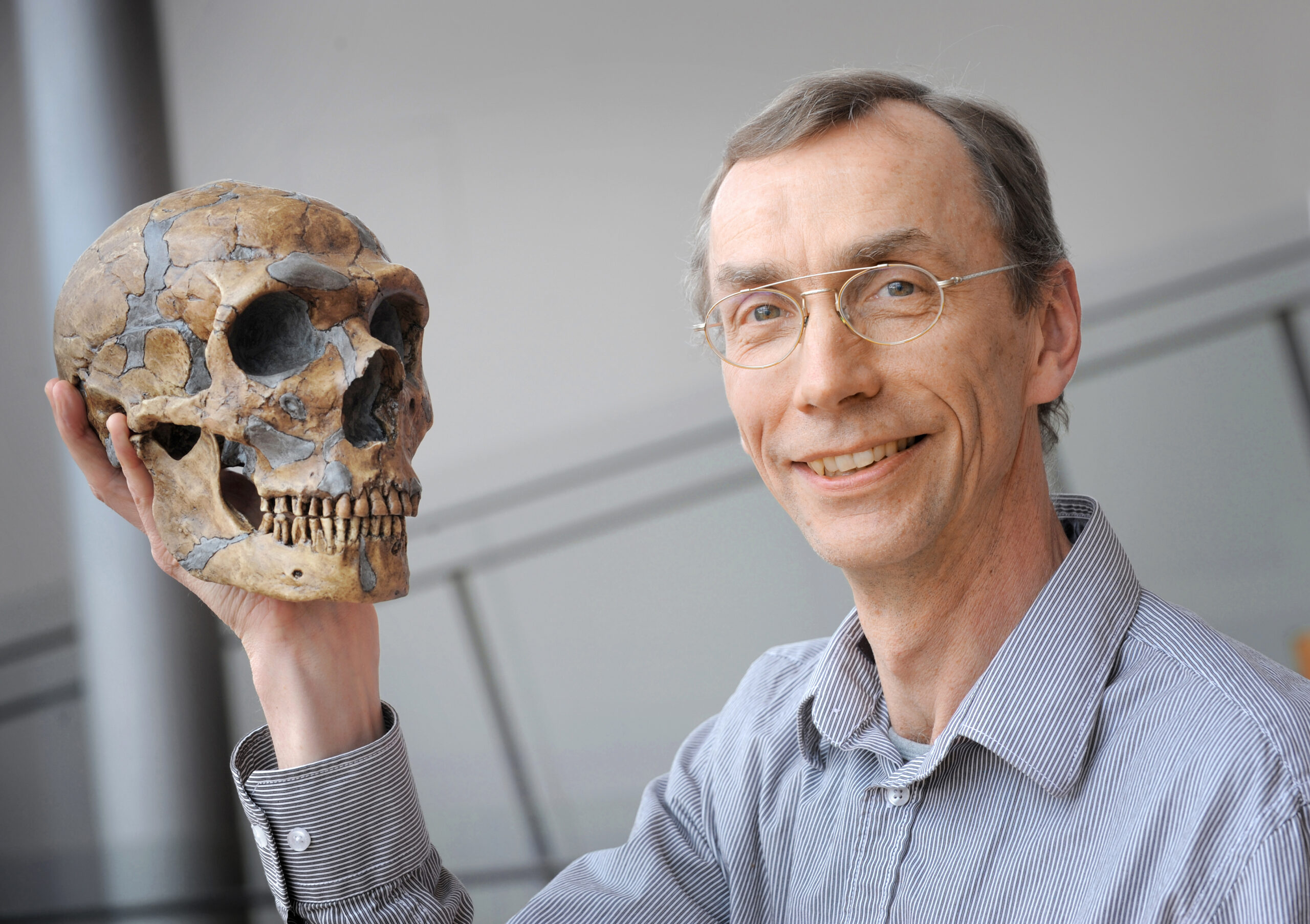
Pääbo has accumulated almost too many honors to list. He was named one of Time Magazine’s most influential people in 2007. In 2022, he was awarded the Nobel Prize in Physiology or Medicine “for his discoveries concerning the genomes of extinct hominins and human evolution” — exactly 40 years after his father won the same award. This also made him the first openly bi Nobel Laureate in history. In 2024, he was awarded the Royal Order of the Polar Star, a Swedish honor similar to a British Knighthood.
Bi people seem overrepresented in the arts for obvious reasons. Creativity, free-spiritedness, and transgression have historically gone hand-in-hand with queerness. But, as we are increasingly coming to understand, there is nothing all that transgressive about bisexuality. It’s about as normal and natural as any other trait we see across sexually reproducing animals. Maybe bi scientists don’t scream their bi-ness as audaciously as their artistic counterparts, but in the case of Svante Pääbo, his actions and accomplishments speak volumes.