Dolphins are among the most intelligent and fascinating creatures on Earth — and also one of the most misunderstood. For thousands of years, people assumed they were fish — it wasn’t until the 18th century that scientists first realized they were mammals. Humans also mistake dolphin facial features, which remind us of a smile, as a sign of a dolphin’s mood or as evidence that dolphins are generally jolly and peaceful creatures. This convenient fiction makes it seem less cruel to keep animals who swim 40 miles a day in the wild confined in tanks and trained to jump through hoops — “But they look so happy!” And to add insult to injury, dolphins are thought by many to be bisexually crazed rapists.
This notion of dolphins as the “sexual predators of the sea” gained popularity in 2012 after a series of sensationalist media articles supposedly reporting on dolphin research went viral. Dolphins, these articles claimed, “resort to rape” and engage in frenzied bi behavior. Except that’s not what the research said. The original article was based on a study that the writer completely and embarrassingly misread, and then the content-mill media spun into action, endlessly regurgitating the initial misreporting. Colleagues of the study author spoke out, tearing the media a new one:
If the ‘writers’ of these articles had read the paper, they would have noticed that it contains nothing about the sexual behaviour of the dolphins they studied, bisexual or otherwise, aside from brief mentions of the possible consequences of social networks on reproductive success. It certainly didn’t mention anything about bisexual behaviour, homosexual behaviour, or rape.
But the confusion didn’t end there. Only a small fraction of people who saw the original claims about dolphins ever saw the follow-up corrections. And those who did were often left with the equally inaccurate idea that dolphins aren’t rapists or bi. In reality, bisexual behavior is well-documented among dolphins.
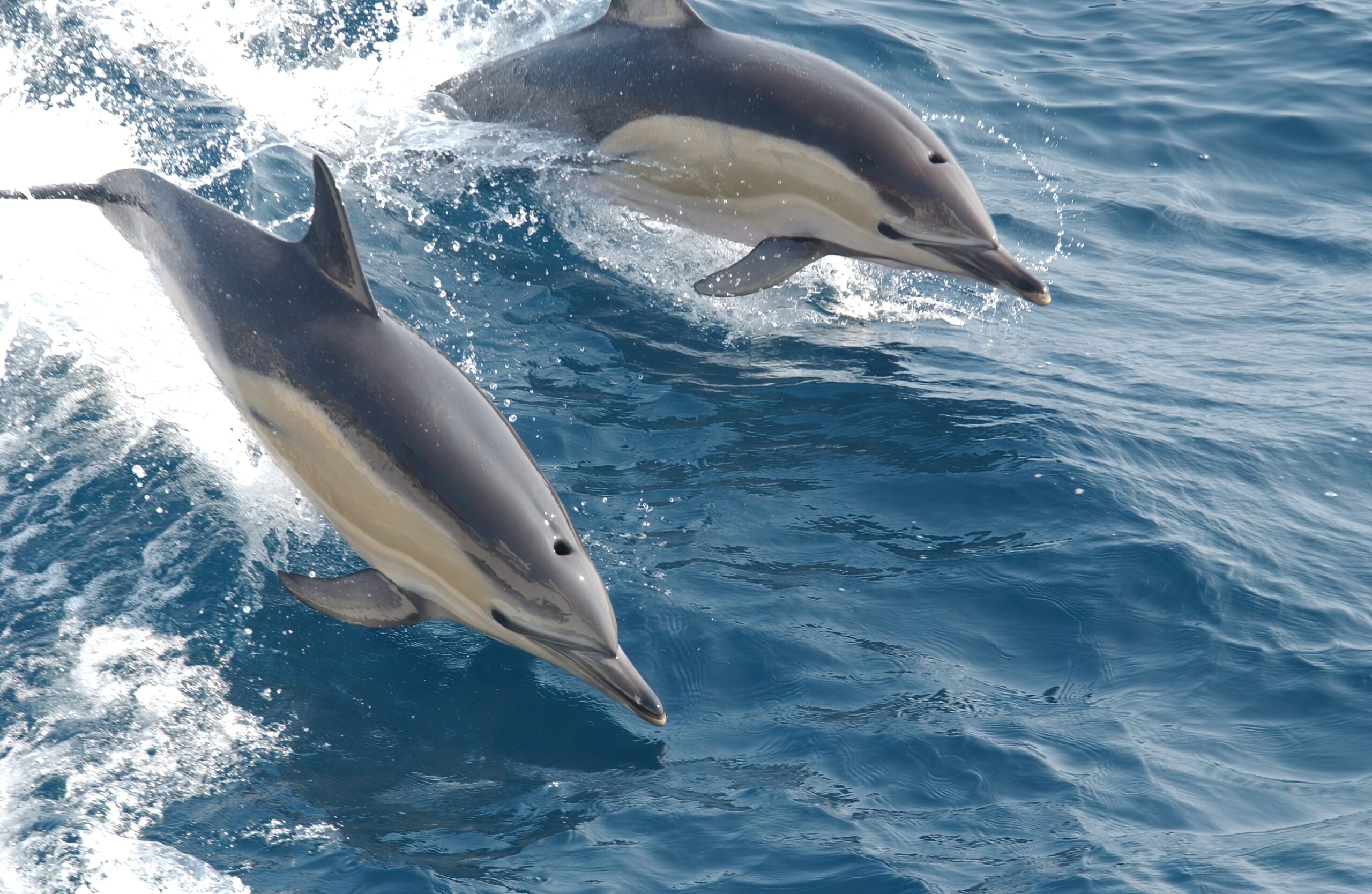
Researchers have observed and studied dolphin bisexual behavior all around the world, from the Amazon River to Australia’s Shark Bay. The majority of dolphin sex occurs between males, and male same-sex bonds, and according to science journalist Eliot Schrefer, the “only lasting pairing in dolphin society is between males”. A 2017 study in Behavioural Processes “found same-sex socio-sexual interactions to be prevalent” among males. Same-sex behavior also occurs among females, but to a lesser extent.
The behavioral ecologist Janet Mann has been studying dolphins for decades. She first noticed a pair of males, whom she named Cookie and Smokey, in the 1980s. The couple had formed an extremely close and sexual bond. Nearly 40 years later, they’re still together today.
Speaking with the National Wildlife Federation, she said, “The amount of homosexual behavior is so high. In fact, we see very few heterosexual matings altogether. We know they happen because there are offspring. But we see very few.”
Writing in the 2006 anthology Homosexual Behaviour in Animals: An Evolutionary Perspective, Mann described dolphin same-sex behavior as serving a variety of functions, including play, forming alliances, social bonding, building trust, and providing males with opportunities to hone their mating skills.
Still, the elephant (or perhaps whale?) in the room is the matter of dolphins’ more, shall we say, problematic sexual behaviors. It is true that male dolphins in particular can behave very sexually aggressively, and there are some documented behavior patterns among dolphins that appear coercive. It’s worth noting, however, that incidents of forced mating have never actually been directly witnessed. Regardless, nature is weird, and many species of animals engage in behaviors that no decent human would find moral, such as cannibalism. But to call an animal a rapist is to project a human concept onto nature. It’s just another way in which dolphins are misunderstood.