Hey Lewis,
I really need some advice. I’m from the Irish traveler community, and I’d say I’m somewhere on the spectrum but mostly attracted to guys. I’m also married now and have two kids. My issue is whether to come out to my kids or not. Where I’m from, coming out publicly would probably lead to our family being ostracized.
I’ve been struggling a lot lately. Part of me wants everything out in the open and to tell my kids, but another part worries they’d have to keep my sexuality a secret. I’m unsure if that would impact their mental health moving forward. Any advice would be appreciated.
Anonymous
Hey there,
Thank you so much for reaching out. I always appreciate it when people trust me with their stories, and I’m happy to offer my thoughts if it might help.
Coming out is a big decision, and only you can know if it’s the right move for you. I’m not someone who believes everyone is necessarily better off out of the closet because, in certain communities, coming out can be risky and even dangerous. It’s something you’ll have to weigh carefully.
That said, living authentically can be important for your mental health. You deserve to feel unashamed and loved for who you are.
One thing to consider is that change in your community has to start somewhere. If someone stands up and says, “This is me; take it or leave it,” it can pave the way for future generations to be more open about their sexuality. Would you want your kids to feel the same struggles if they were bi or gay? On the other hand, it’s a lot to risk, and there’s a reason no one’s taken that step before. Statistically, there are other bi and gay men in your community who have stayed quiet because they weren’t ready to face what might come with being open.
Another thing to prepare for is the possibility that your bisexuality might be something the community can’t accept. If you decide to take this step, you need to be okay with that.
When it comes to telling your kids, that’s also something only you can judge. Maybe they’d appreciate your honesty, or maybe it would be too much for them, especially if they had to keep it a secret.
A more subtle approach might be helpful. You could try testing the waters first. Maybe bring up something like, “Did you see that [celebrity] came out as bi? I’ve never seen an issue with it.” It’s a gentle way to introduce the topic without laying everything out at once.
Or you could joke about it, saying something like, “I’ve always thought I’d make a great bi — too bad there aren’t any good-looking men around here!” It lets you gauge reactions without things getting too heavy.
What I’m saying is that a big emotional coming-out moment might not be the best option right now, but that doesn’t mean you can’t do anything. A subtle approach could let you signal that you’re okay with bisexuality and see how people react before making any big decisions.
Whatever you decide, I’m wishing you the best. Keep me posted on how things go.
Take care,
Lewis
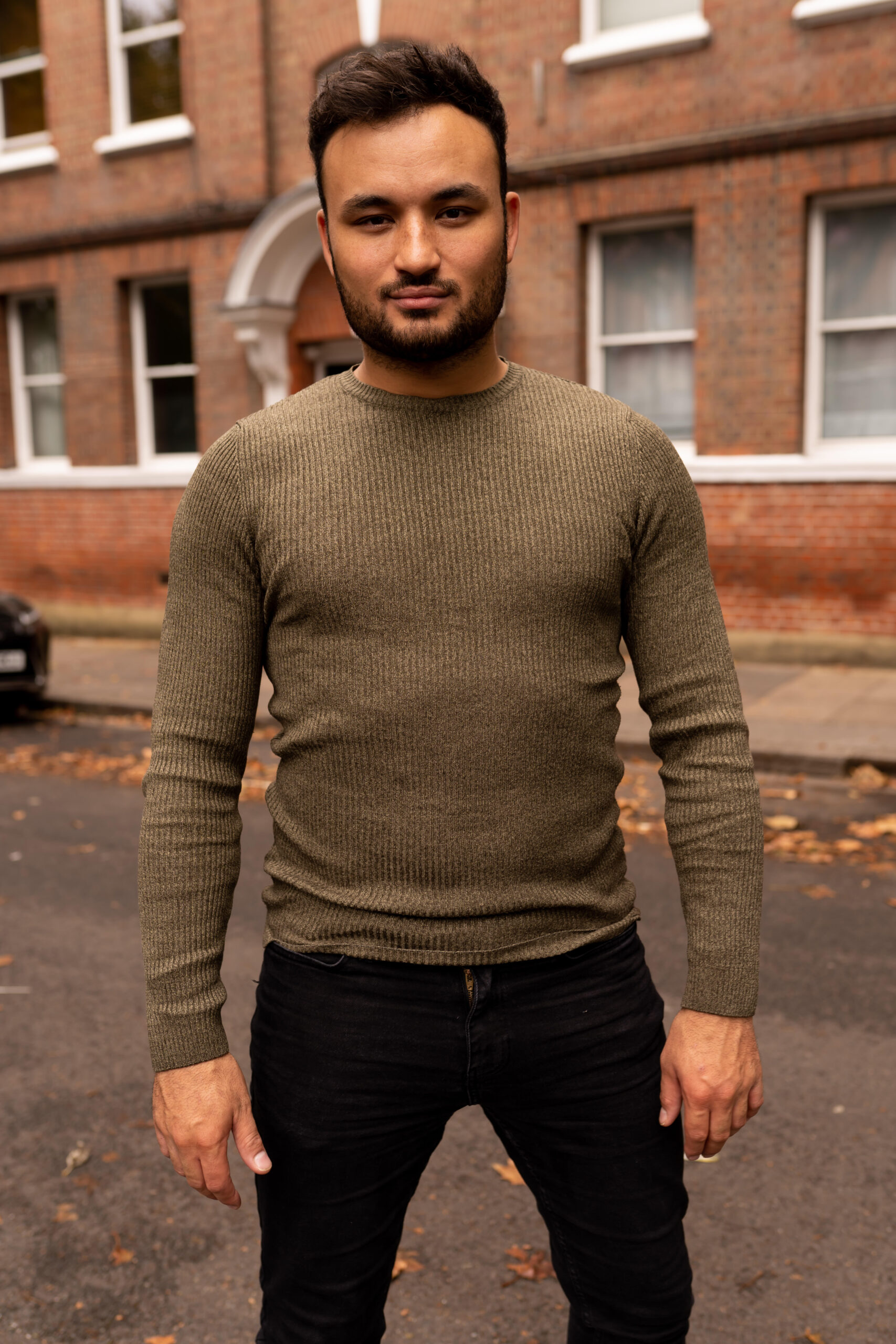
Bisexual people often have few other bi people to turn to for support or to ask questions. This means we often can’t build on the experience of other bi people and improve things for the next generation. Ask a Bi Dad is aimed at tackling this.
Lewis Oakley is one of the leading bi advocates and writers in the UK, campaigning to improve the public’s perception of bisexuality. Recognised by the Pride Power List 2021 and with various award nominations under his belt, Lewis has been successful in making bisexuality national news.
Lewis knows more than most how lonely being bisexual can feel, particularly in those early years. Now, confident in himself, his relationship, and a dad of two, Lewis recognises how rare and lucky he is. This is why he wants to help where he can by answering the questions of bi people from all around the world.
If you have a question that you would like a perspective on, please email to [email protected]. The briefer the email, the more likely I will be able to respond.
*Lewis is not a licenced therapist, and the advice offered in this column is not intended to replace or substitute for any professional advice. If you have specific concerns or a situation in which you require professional, psychological, or medical help, you should consult with an appropriately trained and qualified specialist.