Sex and the City (1998–2004) is an American romantic-comedy television series that aired on HBO. The half-hour episodes followed four well-to-do women in New York City: sex columnist Carrie Bradshaw (Sarah Jessica Parker), attorney Miranda Hobbes (Cynthia Nixon), art gallery curator Charlotte York (Kristin Davis), and publicist Samantha Jones (Kim Cattrall). Together and separately, the show centered on their lives, sexual encounters, relationships, and friendship with each other.
This entry will focus on the one-off character of Sean (Eddie Cahill) in Season Three’s “Boy, Girl, Boy, Girl” and Samantha’s development in Season Four. Sean has black floppy hair and is usually seen either in hockey gear or the baggy sweaters and jeans that were in vogue in the late ‘90s among young men. Samantha usually wears chic power suits at work and fashion-forward ensembles when at play (or nothing at all during her sexual encounters). Sam tends to keep her blonde hair at shoulder length.
In “Boy, Girl, Boy, Girl”, we see Sean, a self-assured and confident bi man, date and educate Carrie on bisexuality while practically displaying the biblical patience of Job. He is goofy, confident, comfortable with himself (and uses the term “bi” to describe himself! What a concept!), and nuts about Carrie. Unfortunately, despite being a sex columnist, Carrie (and most of the girls) displays and discusses heaps of biphobia when discussing their relationship. It’s worth noting that while Samantha gets in a small jab from time to time, she seems much more open-minded about bisexuality than the other characters, especially for the time.

Due to the popularity and influence of the television series, this chance for a teachable moment and the expansion of accepted LGBT characters in modern television instead became a source of hackneyed punchlines about bi people that often got hurled back at the bi community for many years after. Carrie tries to be open-minded but ultimately decides that Sean — and bisexuality itself — is too much for her and turns heel. Sadly, this is the end of any development of Sean.
The next season of the series does show some progress with Samantha. Long hailed as smart, funny, and the most progressive (or at least sex-positive) and least judgmental of the friends, Season Four sees her enter her first same-sex relationship with Maria (Sônia Braga), an acclaimed Brazilian painter. While being relationship-averse, Samantha knows a good connection when she sees one. She enters into the relationship with a good amount of communication about her limited previous same-sex experience and ultimately learns and grows from the experience.
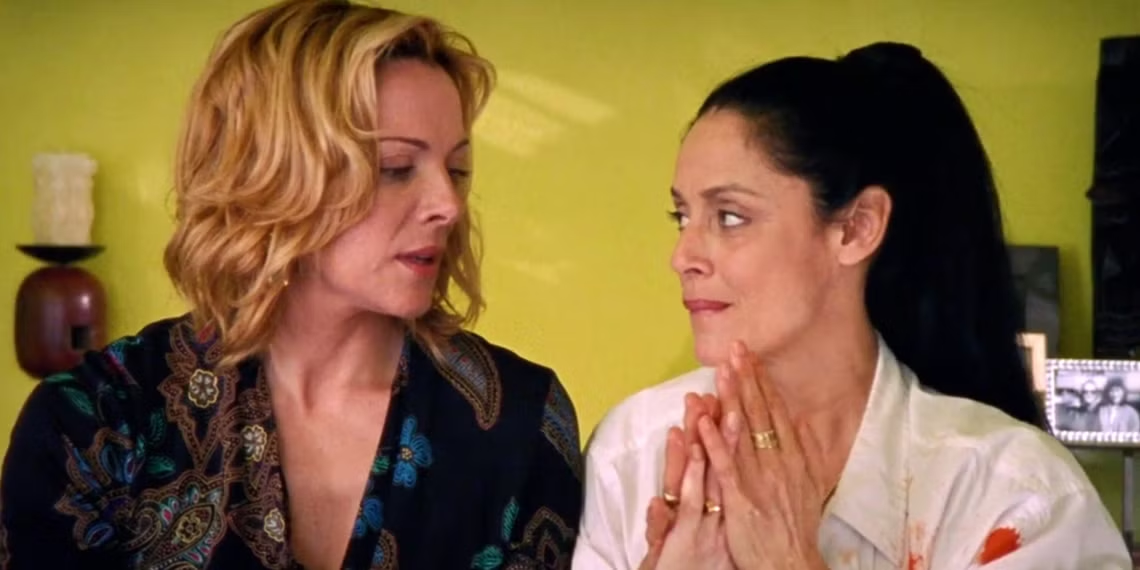
However, she also ends up calling herself a lesbian, old U-Haul tropes get brought up, and the writing for Samantha isn’t even consistent with writing from her previous seasons. Somehow, we are to believe that a woman as sexually experienced as Sam hasn’t come across squirting before. Or that she suddenly learns only now that there are three holes in a woman’s pelvic floor when she instructed Charlotte to look at her own vulva with a mirror a few years prior. This episode once again shows how unsupportive her friends are, with another litany of biphobic discussions coming into play behind Samantha’s back after she reveals her relationship with Maria.
While Sex and the City was ultimately groundbreaking for its time and furthered the public discourse about women and sex, sadly, it often fell very short on LGBT issues, and bisexuality in particular. The show is fun to watch for nostalgia or for a strange time capsule of the era, but it’s piddling when it comes to solid bi representation in television.