Sally Seton, later known as Lady Rosseter, is one of the most vibrant and thematically rich supporting characters in Virginia Woolf’s groundbreaking novel, Mrs. Dalloway (1925). The novel was adapted into a 1997 film in which Lena Headey (Game of Thrones) portrays Sally in her youth, and Sarah Badel portrays her in her older years. The character also indirectly influenced Michael Cunningham’s Pulitzer-winning novel The Hours (1998) and its 2002 film adaptation, where her rebellious spirit echoes in the figure of Laura Brown (Julianne Moore).
In her youth, Seton is Clarissa Dalloway’s closest friend and emotional counterpoint — a daring, outspoken rebel who defies the stifling conventions of their upper-class upbringing. Where Clarissa is polished and restrained, Sally is fiery and unapologetic. She smokes cigars, critiques patriarchal norms, and openly discusses women’s independence, embodying the early stirrings of feminist thought that Woolf herself championed.
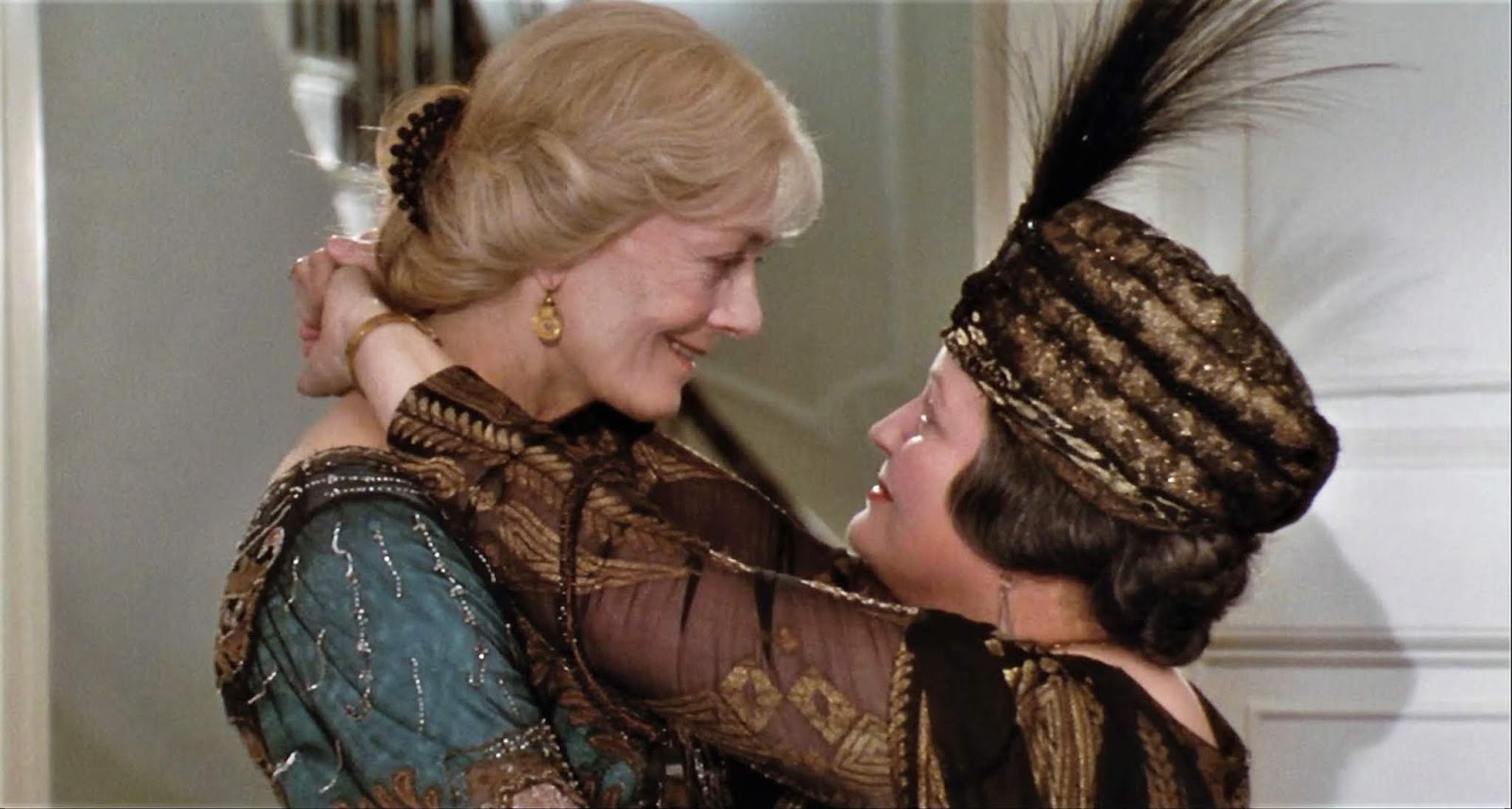
Sally’s most pivotal moment comes when she impulsively kisses Clarissa during a summer at Bourton, the Dalloway family estate. For Clarissa, this kiss becomes a lifelong touchstone of suppressed desire and lost possibility, later recalled as “the most exciting moment of her entire life”. Though Clarissa dismisses it as youthful experimentation, Woolf’s prose suggests deeper, unacknowledged queer longing — a theme amplified in The Hours, where Laura Brown’s kiss with her neighbor mirrors Sally’s act of rebellion.
As an adult, Sally undergoes a paradoxical transformation: she marries a wealthy industrialist, Lord Rosseter, bears five sons, and adopts the trappings of aristocracy. This shift — from radical to respectable — haunts Clarissa, symbolizing the compromises women make to survive in a rigid society.
Lena Headey’s portrayal in the 1997 film captures Sally’s youthful magnetism, while Sarah Badel’s older version exudes a wry, weary charm. Critics note how Sally’s story — from revolutionary to “Lady Rosseter”— parallels Woolf’s exploration of time and identity. Her character remains a touchstone for discussions of queer representation, female agency, and the quiet tragedies of conformity.