The World to Come (2020) is a romantic historical drama film based on American author Jim Shepard’s 2017 short story of the same name. The film stars Katherine Waterston, Vanessa Kirby, Casey Affleck, and Christopher Abbott in the roles of two married farming couples living in Schoharie County, New York, in 1856.
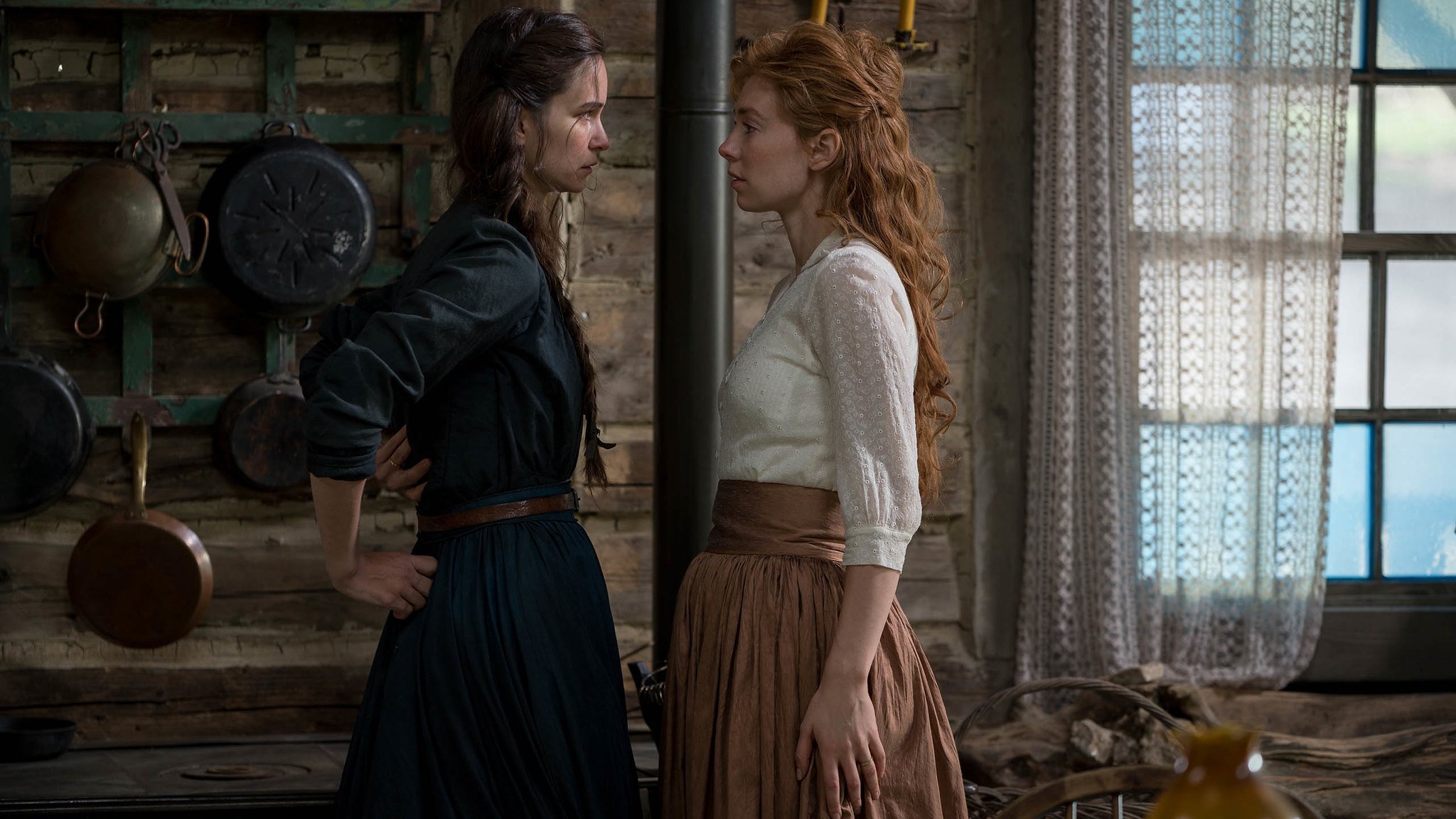
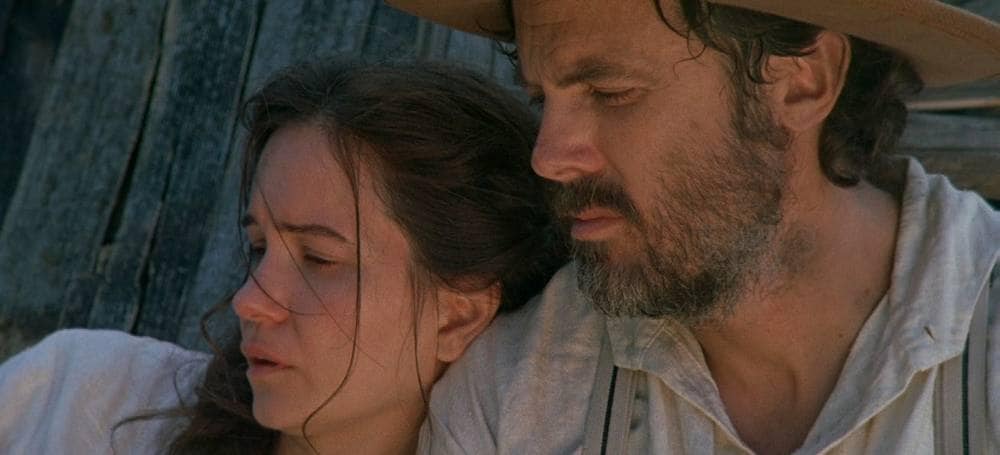
The story unfolds with Abigail (Waterston) and her husband Dyer (Affleck) struggling with the loss of their young daughter to diphtheria. The winter is harsh, and the rural isolation of farm life in the wake of their tragedy is as excruciating as it is tedious.
Abigail’s diary entries narrate the film. After a difficult winter, fellow farmers and childless married couple Finney (Abbott) and Tallie (Kirby) rent a farm nearby.
The two women begin a friendship. They spend increasing amounts of time together, to the annoyance and jealousy of their husbands; Tallie’s husband Finney is particularly hostile.
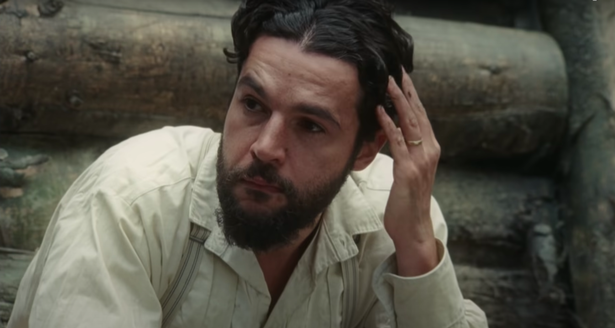
Their friendship gradually blossoms into romance, and their love for each other stands in stark contrast to their monotonous marriages. Abigail’s relationship with Dyer is passionless and practical, with each of them always busying themselves with their farming work instead of spending much time together. For his part, Finney is very controlling; frequently reminding Tallie of her wifely duties and keeping a record of how much time she spends with Abigail and others. Worse still, he derides her in front of others, including Abigail and Dyer, and even beats her.
Without giving away the exact plot — but beware: SPOILERS! — the story ends with a somewhat anticlimactic tragedy. As film, television, and book critics have noted, LGBT characters are killed off in films and series (#KillYourGays) at a disproportionate rate compared to their non-LGBT counterparts. Unfortunately, The World to Come is no different in that respect.
What I Liked:
Despite the predictable killing of yet another LGBT character, The World to Come is still a film well worth watching, not only for its cinematic qualities, but because of its commendable representation of bisexuality.
Of course, unlike with films set in current times, where we expect or at least hope for the word “bi” or “bisexual” to be mentioned at some point, we can’t expect this from The World to Come, since the story took place in 1856. Though human bisexuality is as old as the human race, the actual word itself has only been recorded since the early 1800s onwards, with many today still ignorant of its meaning or even existence.
The bi representation in the film is nevertheless praiseworthy, unlike its perpetuation of the hackneyed trope of LGBT characters not only rarely having happy endings, but too often not even surviving to the end of the story. Regardless, the film is a worthy exploration of forbidden love, female sexuality, rural hardship, domestic violence, and 19th-century American life.
The most novel aspect of the film is its portrayal of bisexuality (and female sexuality in general) in the 19th century; it goes without saying that this is a pleasant change to common portrayals of the era as prudish and chaste.
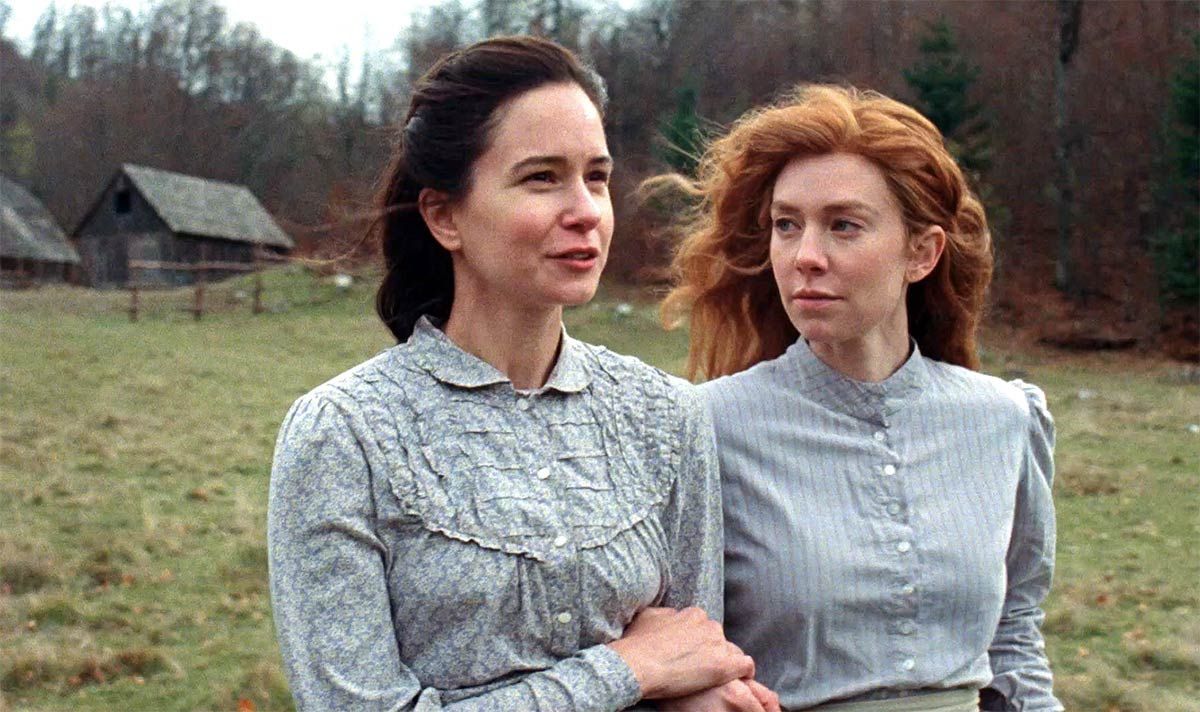
Tallie’s charisma makes the chemistry between the two women all the more believable and thrilling. Tallie’s generous and kind spirit, shown in feats such as braving a bitter and dangerous snowstorm just to visit Abigail and bring her gifts for her birthday, lends her an air of independence and strength. Combined with her physical beauty, flowing red locks, and deep, sultry voice, it’s no wonder Abigail found her irresistible. The casting and performances beautifully brought this dynamic to life.
What I Didn’t Like:
As mentioned, it would have been nice to have all of the LGBT characters in a given film survive for a change.
It would be great for LGBT viewers (and really all viewers) to see LGBT characters survive more often, even if there is no happy ending. Or at least only kill them off proportionately to their non-LGBT counterparts!
The Rating: