Cable Girls is a Spanish period drama set in the 1920s and ’30s. In my research prior to binging, I found summaries describing four female friends looking to gain equality in the workforce. But as I discovered, Cable Girls is much more than that.
There’s everything from crime and intrigue to sexuality and reproductive rights, there’s even a church fire and a prison break! Its overt, feminist messages are supremely satisfying as it swings from guilty pleasure, to soapy goodness to high-minded representation. I recommend watching it in the original Spanish, the dubbed English version is akin to watching Mystery Science Theater.
I have done my best to keep my review vague and not too revealing but if you want absolutely no SPOILERS, skip to “the rating” section at the end. Here’s a quick refresher if you need to know how The Unicorn Scale works.
What I Liked:
The friendship that binds these four female characters together is the highlight of the show. Most of the characters are assumed straight, and in true soap opera fashion, their dramatic romances run the gamut from domestic abuse to infidelity. One standout relationship seems to thrive and survive — and guess what? It’s the queer one! The bi character, Carlota (Ana Fernández), is a spitfire with repressive parents and a penchant for taking up a cause. She starts the series macking on her supportive boyfriend.
Then, halfway through the first season, she falls for a female coworker. She confesses her feelings and the three of them begin a polyamorous relationship. The viewer sees her come to terms with her sexuality. Not only is Carlota queer, but she has fully developed motivations and backstory. Her queerness is simply a part of who she is, not her defining feature.
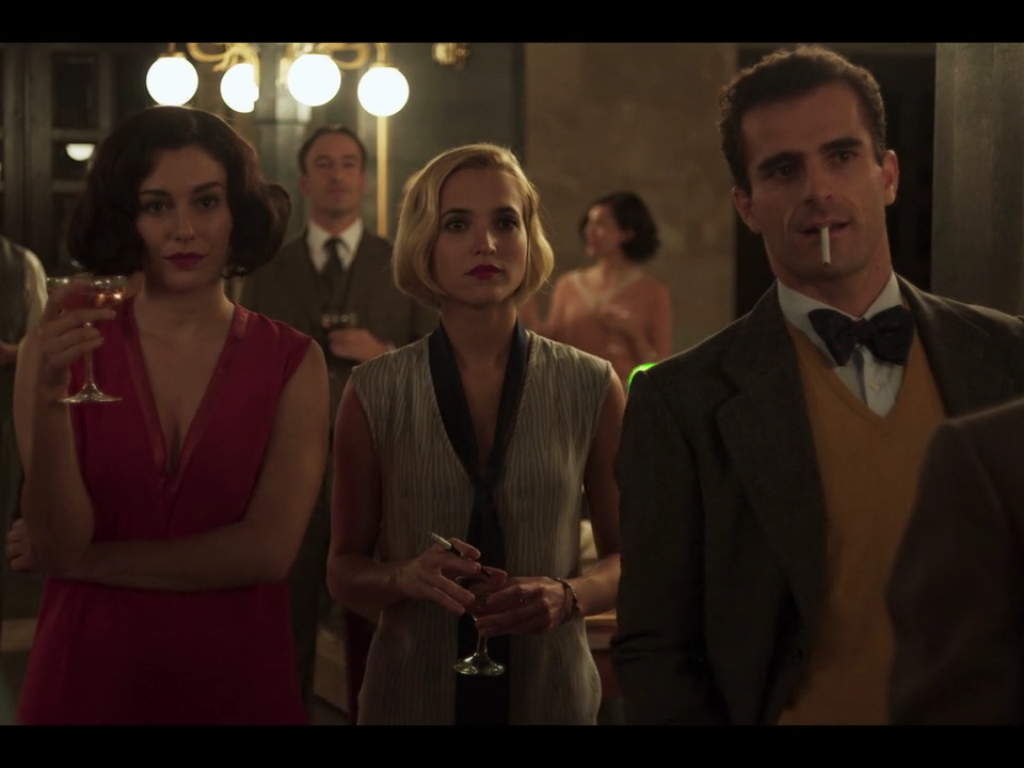
While the word bisexual isn’t used, Carlota clearly states she loves both her female and male partners (I’m avoiding additional names to keep the spoilers at a minimum). She goes on to become an advocate for sexual freedom and equality, campaigning for women’s rights and the decriminalization of homosexuality.
As her poly relationship develops, Carlota learns her female lover experiences gender dysphoria. This storyline is done really well. Carlota’s lover initially seeks psychological treatment, which is a traumatizing experience, as is to be expected for the time period, but over time gains the confidence to identify as trans. Both characters are given considerable screen time to flesh out their relationship and navigate sexual and gender non-conformity in a time of repression.
While there is plenty of drama in Cable Girls, sexuality and gender identity aren’t the source of high tension in the group. It’s refreshing to see a bisexual character come to terms with their sexuality in a relatively short amount of time with little shame. She does falter in telling her friends, but she eventually does, and they are supportive. Cable Girls offers an example of a well-developed and healthy queer relationship accepted by loved ones.
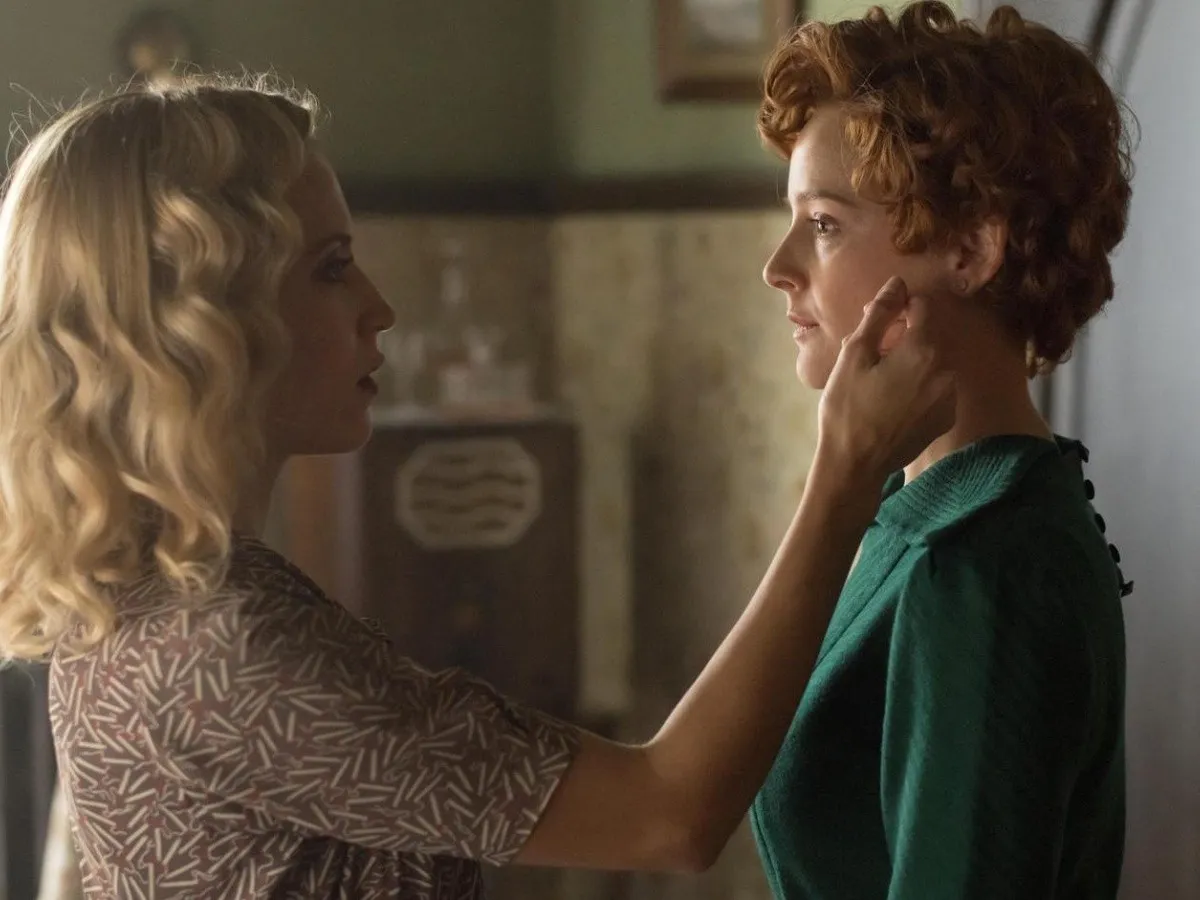
There are other things to love about this show. The costuming is gorgeous, a must-see for vintage fashion lovers. The show also portrays some controversial topics like domestic violence and reproductive rights. Three different abortions are discussed throughout the span of the show. In one shocking scene, a main character is manhandled and nearly forced to get an abortion against her will until the father of the baby storms in and starts beating the doctor up. While this is equal parts triggering and hilarious, it reminds you this was a time in history women had very little say over their bodies. Cable Girls weaves contemporary issues in through historical context very well.
What I Didn’t Like:
Be warned, this is a soap opera, this is not a drill. If you are a fan of the genre and long for a cheesy, guilty pleasure program, you will love it. If you are frustrated by outrageous plot twists and straight love triangles, I don’t recommend the show. Due to its soapy nature, Cable Girls doesn’t include many compelling male characters. While it is true we love to hate a villain, it would feel more believable if just one of the straight couples worked out. Additionally, there are no other forms of representation on the show. There are no gay or bi cis men, no racial diversity, and everyone is able-bodied.
The Rating:
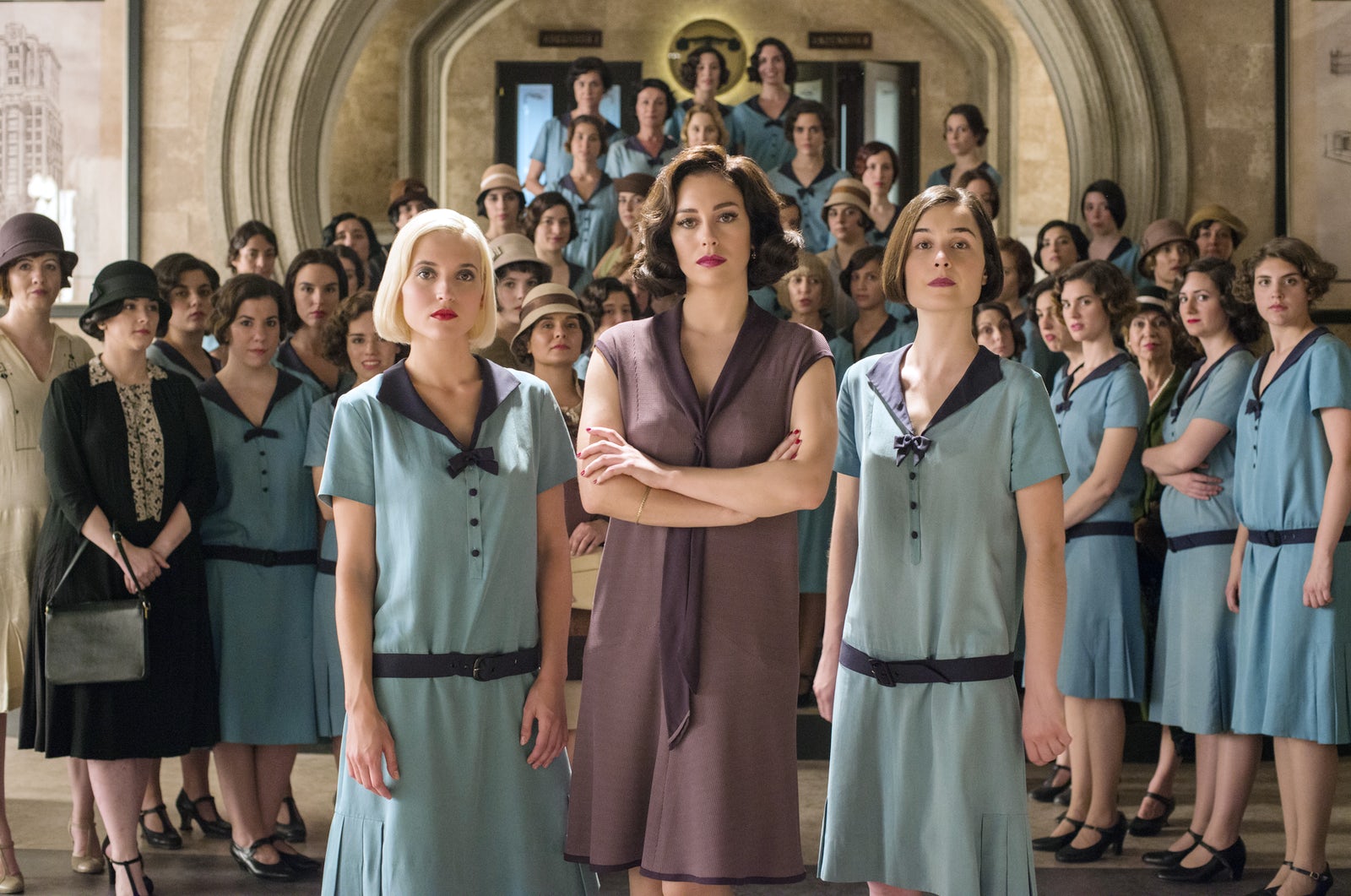
Cable Girls is a dramatic soap opera that introduces surprisingly well-rounded LGBT characters. The single bi character— while not explicitly stated — gets plenty of screen time to develop her queer relationship in a healthy, positive way. We see a trans character be accepted by his partner and friends. Bisexuality is not used as a cheap plot device and the queer relationship lives on! However, Cable Girls gets three unicorns for the limited nature of its representation.