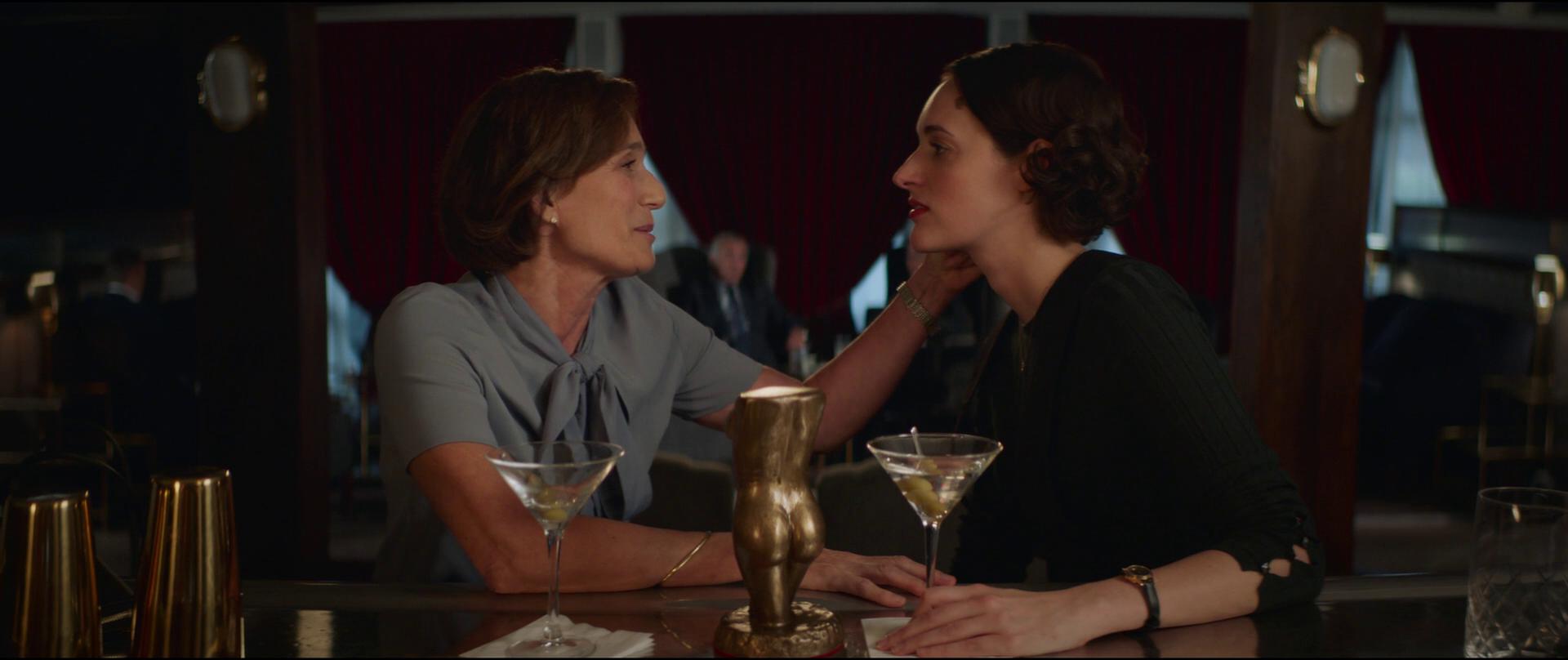
Fleabag (2016-2019) was an English comedy-drama show, based on a one-woman play by Phoebe Waller-Bridge that originally premiered at the Edinburgh Fringe Festival in 2013. This half-hour modern TV adaptation was also created and written by Waller-Bridge, who also portrayed the titular character.
The story centers around Fleabag, an introspective, funny, and very angry young woman grieving the recent and very traumatic death of her best friend in a tragic accident. Fleabag is notable for constantly breaking the fourth wall, speaking directly to the camera, sharing her innermost thoughts and feelings, often things she doesn’t reveal to those around her, including their nicknames that she bases on their appearances, quirks, and the roles they play in her life.
In the first part of the story, Fleabag has multiple sexual partners, with the main ones being Arsehole Guy (Ben Aldridge) and Bus Rodent (Jamie Demetriou). Then in the second, she develops a deepening friendship and attraction to a priest (Andrew Scott). Many of her relationships at first are short-lived, flirty, and centered around sex and utilitarian exchanges, as she often uses people and sex to avoid confronting her anger over the past, and the trauma she’s unprepared to face. However, her relationship with the Priest in the second season reflects changes in her life and her attempts at finding a different way to connect with others, as she becomes gradually more emotionally open and vulnerable with him.
But this doesn’t mean Fleabag is straight at all. In the pilot, she does try to have a woman come home with her after a difficult night, and, in the second season, during a conversation with Belinda (Kristin Scott Thomas), when asked if she’s a lesbian, Fleabag replies: “Not strictly”, with this being the closest she comes to defining her sexuality. Later in the same scene, Fleabag makes a pass at her, and they kiss. However, the older businesswoman shuts her down in the end, but not without kindness.
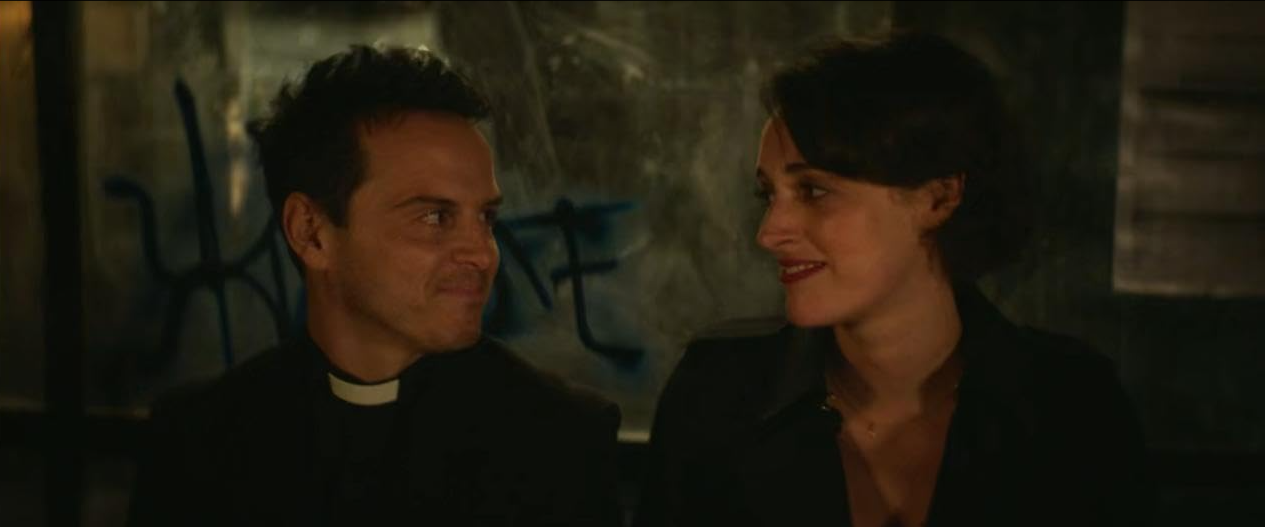
What makes the show’s portrayal of bisexuality so interesting is the fact that we can accept it as a core characteristic of Fleabag while also understanding that her life does not revolve around this or, by all means, the messiness of the situations she faces all the time. While she’s never pushed to define herself with a label, we understand that her authenticity would not permit her to be anything other than, and she certainly falls under the bi umbrella.
We need more shows where representation is not a central point or a special episode, but a matter of everyday life, perhaps just another way in which the characters come to understand and accept themselves. And in that regard, Fleabag is a great example of how things can be explored, with a great story and an incredibly solid character we can support, even when we don’t agree with her every decision.