Hello there, Unicorns! I hope everyone’s happy, healthy, and hydrated today.
So from time to time in discussions of queer media, some bi films or TV shows that are considered bi canon — or at least well-loved and cited whenever a discussion forum asks for examples of bi goodness. Gia, the 1998 HBO biopic, is usually at the top of that list. But there’s a danger for me to accept something as bi canon; sometimes I assume we’ve already given it attention in this little corner of the internet. But as I was compiling lists of stuff to cover, I realized 1) I’d never actually seen this one, and 2) we never gave it the Unicorn Scale treatment! So, let’s add another movie to the “how-have-we-not-covered-that-yet?” pile in this column. Time to dive into the Angelina Jolie-starring drama.
Now before I get into the nitty-gritty of this flick, I should go over a few disclaimers, as per usual. First and foremost: there will be SPOILERS in this review as I go over its queer content. I should also give some content warnings: drug use, emotional abuse, and sexual assault. (Yeah, this one gets pretty dark, folks.) Oh, and if this is your first time around these parts or if you just want a refresher about this metric, you can go to our quickie glossary right here. You can also find an entry about this show in our Bi Media section.
Gia covers the brief life and career of Gia Carangi, often considered to be one of the first supermodels. Though she experiences a meteoric shot to fame after surviving a troubled childhood, events in her life lead to tragic consequences.
What I Liked:
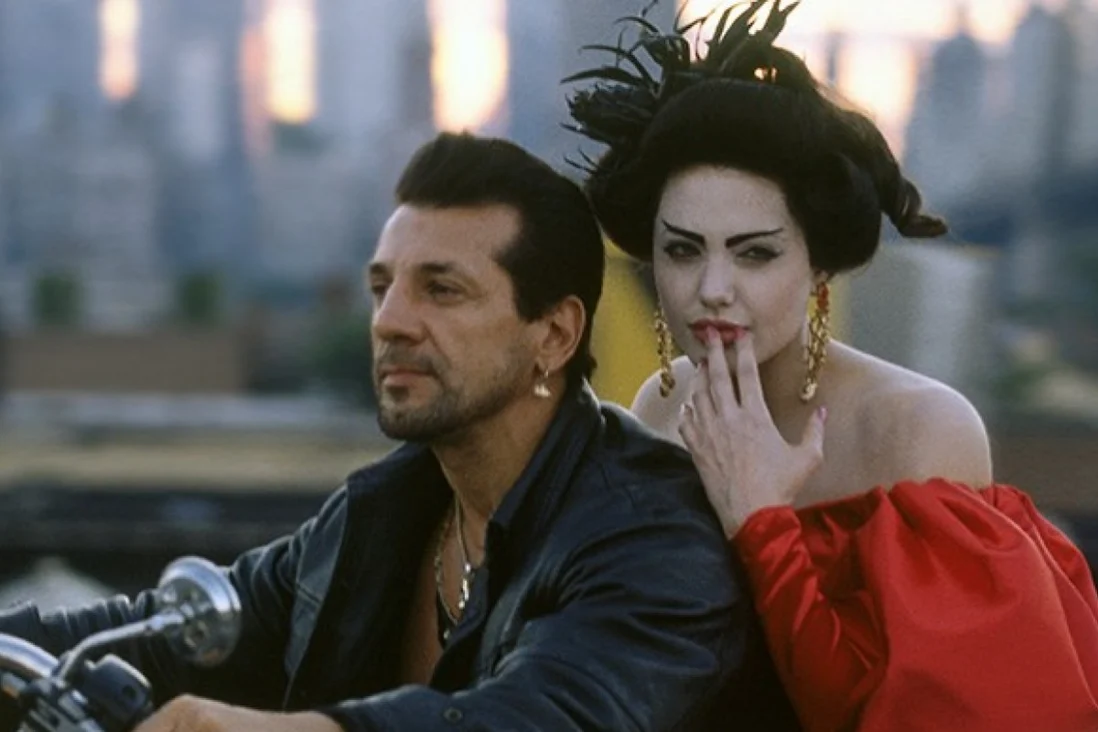
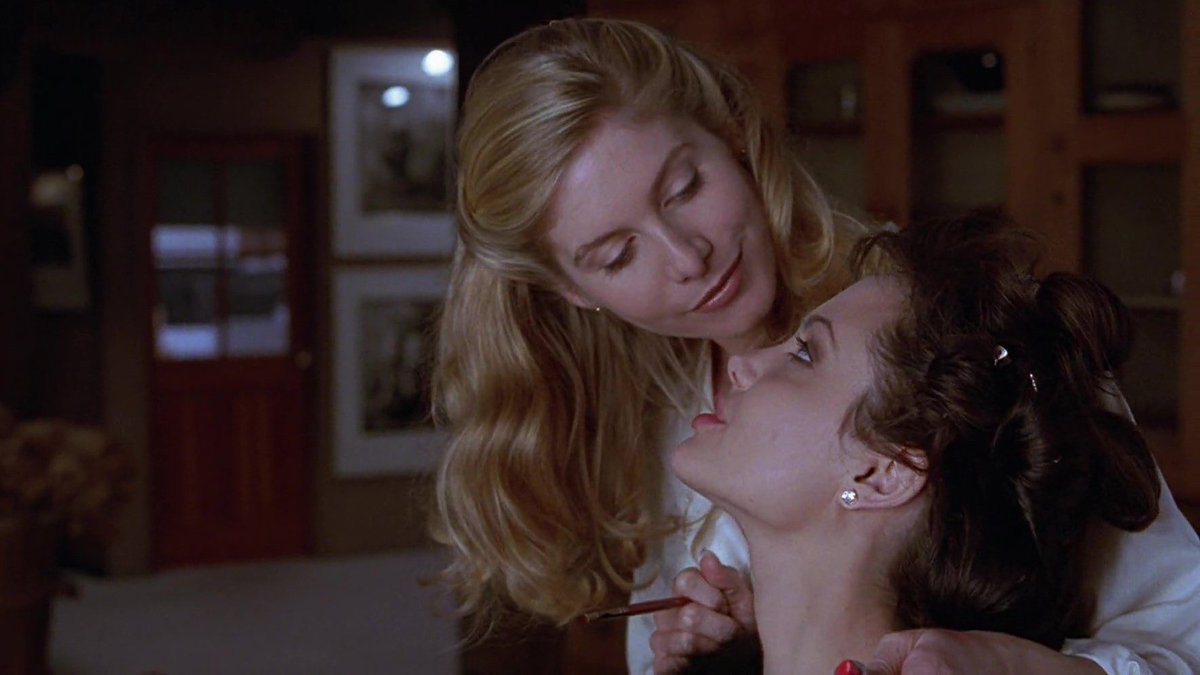
I enjoyed how self-accepting Gia was about her bisexuality. Though other characters in the film often made a concerted point of saying sex meant nothing to her, or that she “didn’t really have sex with anybody” (that’s her mom, so take that with a grain of salt), she is a woman comfortable with her sexual self. She may have been in love with makeup artist Linda (Elizabeth Mitchell, stand-in in for Gia’s real-life love interest Sandy Linter) and had the deepest relationship with her in the film, but she would also freely make out with and have sex with men, including an early boyfriend.
To whit, there’s a layered section of dialogue near the end of the film that speaks volumes:
Linda: (after Gia mentions maybe settling down and having kids) How straight are you now?
Gia: You don’t need a husband to have kids. And besides, you’re always the one who had my heart.
It also should be mentioned that this is one of the rare occurrences where a bi person is played by someone who is bi in real life — Jolie herself. This may be more common these days than it was at the time (hey there, Stephanie Beatriz), but it is by no means a given. The fact that this happened in the late 90s and that Jolie was open about her bisexuality a few years later is noteworthy.
What I Didn’t Like:
Those things being said, I would have loved to hear a lot less bi erasure from the people around her posthumously, especially coming from her girlfriend who was also bi. But hey: internalized biphobia is a bitch.
But it’s more than the biphobia on display between the peripheral characters of Gia’s life that rubbed me raw. Her death from AIDS-related illness made headlines because she was one of the first famous women to have passed from the disease. This underlines one of the most vexing things we tell ourselves about the AIDS crisis — that we often deem it to have been something that at first only tore through the gay male community. While Gia contracted the disease from intravenous drug use, her death as a bi woman from the disease also underlines that a lot of queer/pan/fluid people passed during the epidemic. Gia even has a patch on the AIDS quilt dedicated to her. The fact that not only does Gia not define herself, but that those who knew her best as these characters often work to minimize her queerness, leads to perpetuating dangerous stereotypes in how we tell our queer history.
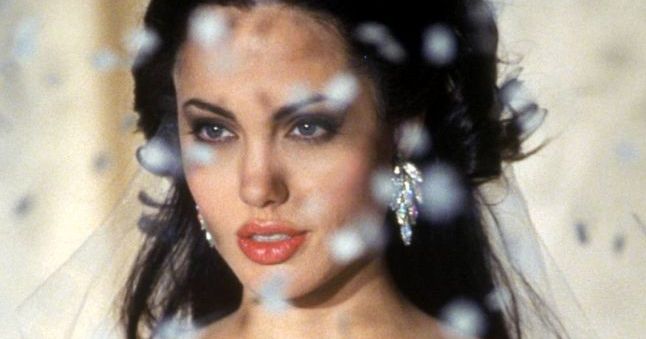
I also feel compelled to point out that while there is love in the relationship between Gia and Linda, it is not a bond that starts on a trustworthy foot (Linda has a boyfriend when they first hook up). Gia also displays manipulative, codependent, and emotionally abusive behavior towards her paramour. No one is a saint, and some may point to Gia’s drug abuse as an impetus; her violent forms of communication started even before the model started dabbling in mood-altering pharmaceuticals. This relationship was toxic long before Gia became a junkie. I’m all for representation, but this is not the healthiest same-sex model that can be put on offer. So, while Gia does not weaponize her sexuality, there are some other harmful bi stereotypes on display here.
The Rating:
This depressing drama is a hard one to gauge as far as representation. On the one hand, Gia is a standout of mainstream bi representation of ‘90s American film — and one that gets called up again and again due to bi Jolie’s repping of a bi woman and her breakout, award-winning performance. On the other hand, the turbulent life of this woman is not a winning example of sexually fluid women in media. It’s still worth watching, but with a heap of warnings in front of it. Gia is compelling, and it is an important landmark, but it is by no means a bi blueprint.